
The so-called Brazilian Mounjaro recipe making the rounds online is really just a sharp, gingery lemon drink — and honestly, it’s pretty tasty if you like bold, sour flavors. There’s no mystery pharmaceutical involved; the name is pure internet folklore.
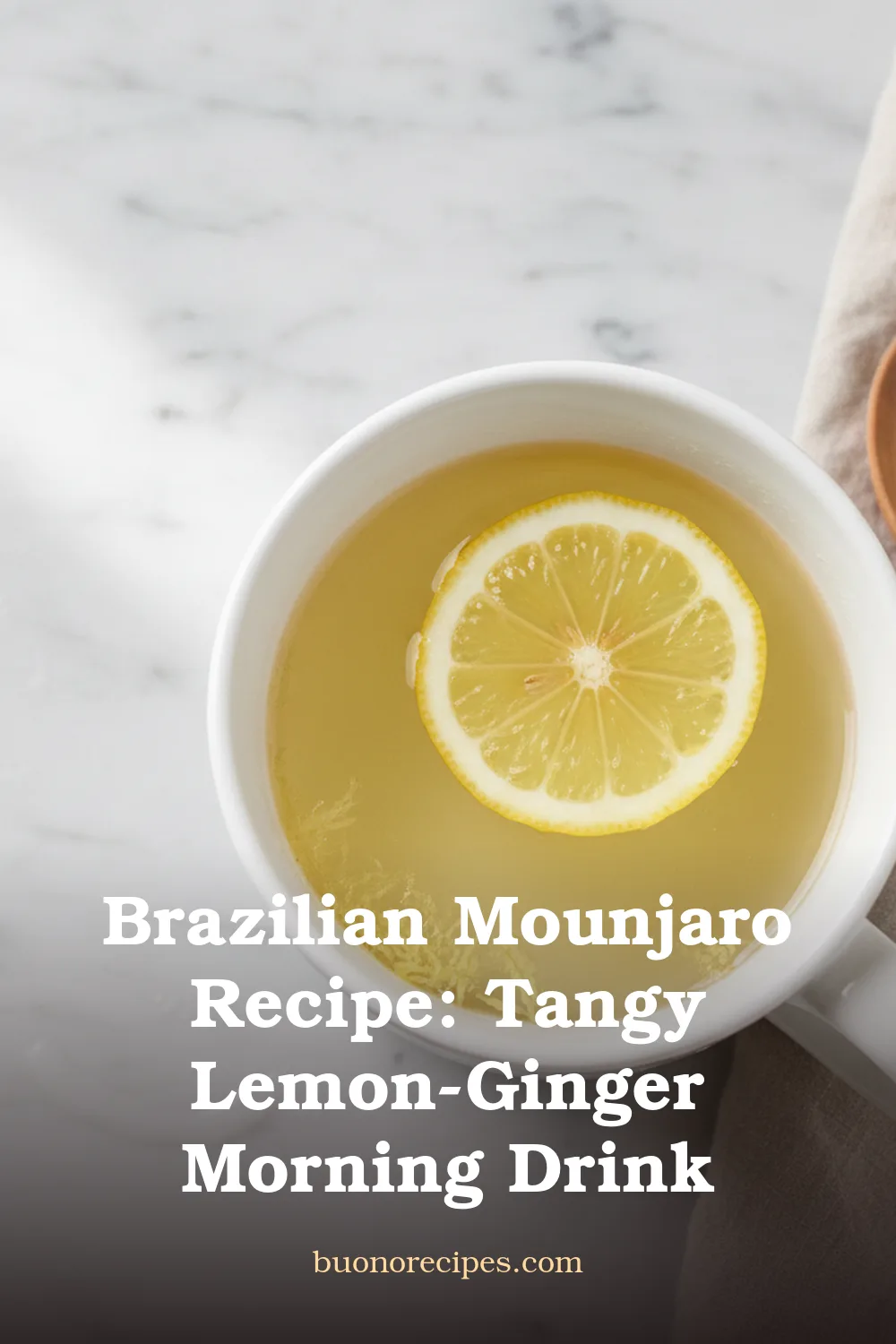
What you’re actually making here is a simple warm beverage with lemon juice, apple cider vinegar, and freshly grated ginger. It’s bracing, citrusy, and just a little spicy from the ginger — the kind of thing you might sip slowly on a cool morning because it tastes good, not because it’s magic.
Here’s how to make the version I keep coming back to: balanced, not painfully acidic, and ready in about five minutes.
What Is the Brazilian Mounjaro Recipe?
Despite the catchy name, this drink has nothing to do with the prescription medication Mounjaro. The “Brazilian Mounjaro recipe” is a social media label for a warm lemon-ginger drink that typically combines fresh lemon juice, apple cider vinegar, grated ginger, and warm water. Some versions add a pinch of cinnamon or a drizzle of honey.
The name caught on because it sounds exotic and mysterious, but the ingredients are things you probably already have in your kitchen. Think of it as a cousin to a hot lemon toddy — without the whiskey and without the cold-season baggage.
This recipe focuses purely on making it taste good. If you’ve ever tried straight apple cider vinegar and thought, “yikes,” this version tempers that harshness so you actually enjoy sipping it.
Why This Recipe Works
The trick is getting the balance right. Too much vinegar and it’s undrinkable; too little and you’re basically drinking lemon water. I landed on a ratio of one tablespoon each of lemon juice and apple cider vinegar per twelve ounces of warm water, with a generous teaspoon of fresh ginger for a bright, peppery kick.
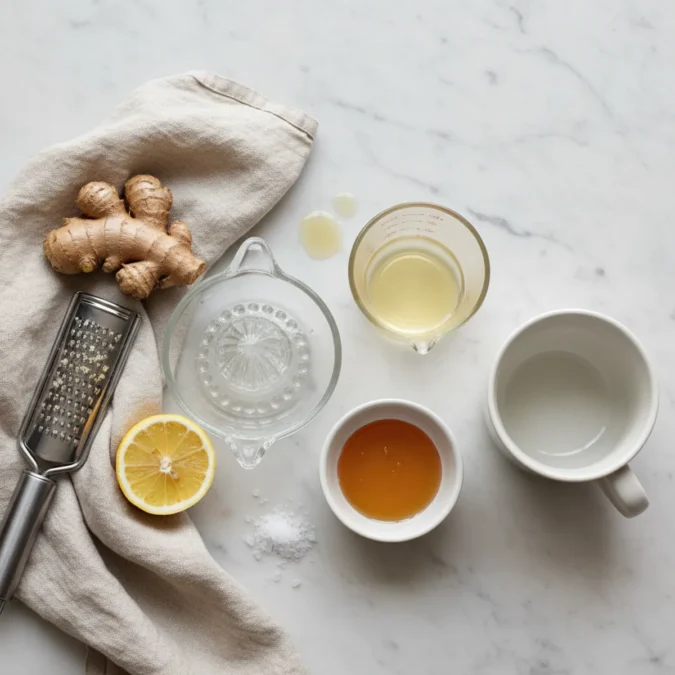
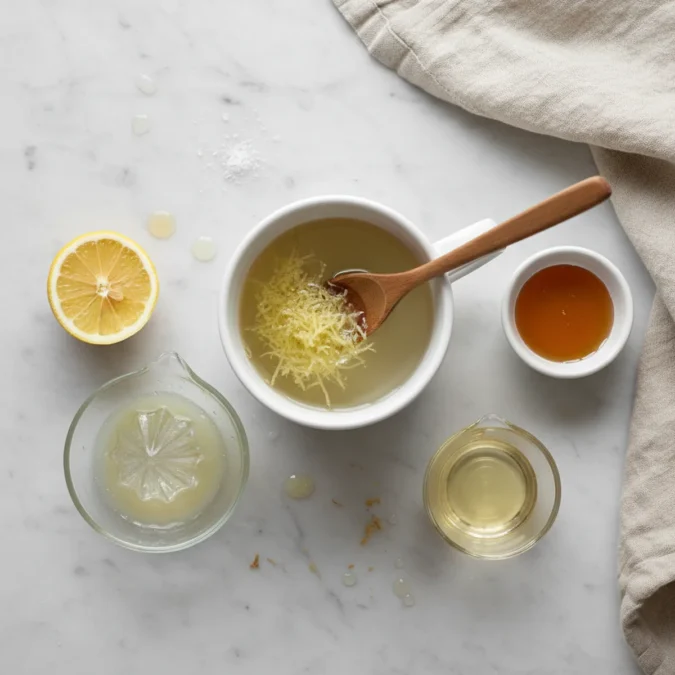
Grating the ginger (rather than slicing it) releases more of its oils into the water, so you get actual ginger flavor instead of a faint suggestion of it. Letting it steep for two minutes before adding the lemon preserves the citrus’s fresh, bright notes — hot water can make lemon juice taste flat and cooked.
A tiny pinch of salt is my secret addition. It doesn’t make the drink taste salty; it just rounds off the sharp edges of the vinegar and makes everything taste more cohesive. Trust me on this one.
Ingredients & Smart Swaps
You only need five things: warm water, a fresh lemon, apple cider vinegar (the cloudy kind with “the mother” if you like the texture, but any ACV works), fresh ginger, and optionally honey or maple syrup to sweeten.
No fresh ginger? A quarter teaspoon of ground ginger will do in a pinch, though the flavor is less vibrant. If you’re out of lemons, lime juice is a great substitute with a slightly different floral note. Rice vinegar can replace apple cider vinegar for a milder, less funky profile.
For a caffeine-free warmer that’s even gentler, swap the ACV for a tablespoon of orange juice — it becomes a citrus-ginger tea that’s lovely in the afternoon. Honey is the best sweetener here because it dissolves easily in warm water and complements the ginger, but maple syrup works if you want a vegan option.
Tips for the Best Flavor
Temperature matters more than you’d think. Water that’s just warm — not hot enough to steam — keeps the lemon juice tasting fresh and the honey easy to stir in. If you’re using a kettle, let the water sit for about three minutes after boiling before pouring.
Strain the grated ginger out if you don’t love floating bits in your cup. I actually like the texture, but a fine mesh sieve over your mug solves it in two seconds if you prefer a clean drink.
Make it a habit to taste before adding honey. The lemon and ginger combination has a natural sweetness on its own once they mingle, and you might find you don’t need extra sweetener at all. If you do, add honey a half teaspoon at a time — it’s easy to overdo.
Serving & Storage
This is a drink best made fresh, one cup at a time. The whole point is the bright, just-squeezed lemon and the sharp bite of fresh ginger — both fade quickly after mixing.
That said, you can prep a ginger concentrate by blending equal parts grated ginger and water, then storing it in a jar in the fridge for up to three days. When you want a cup, just scoop a teaspoon of concentrate into warm water with your lemon and vinegar. It saves about two minutes, which doesn’t sound like much until you’re half-awake at 7 a.m.
Don’t batch-make the full drink and store it; the lemon loses its punch and the vinegar flavor shifts into something duller and more acidic over time.
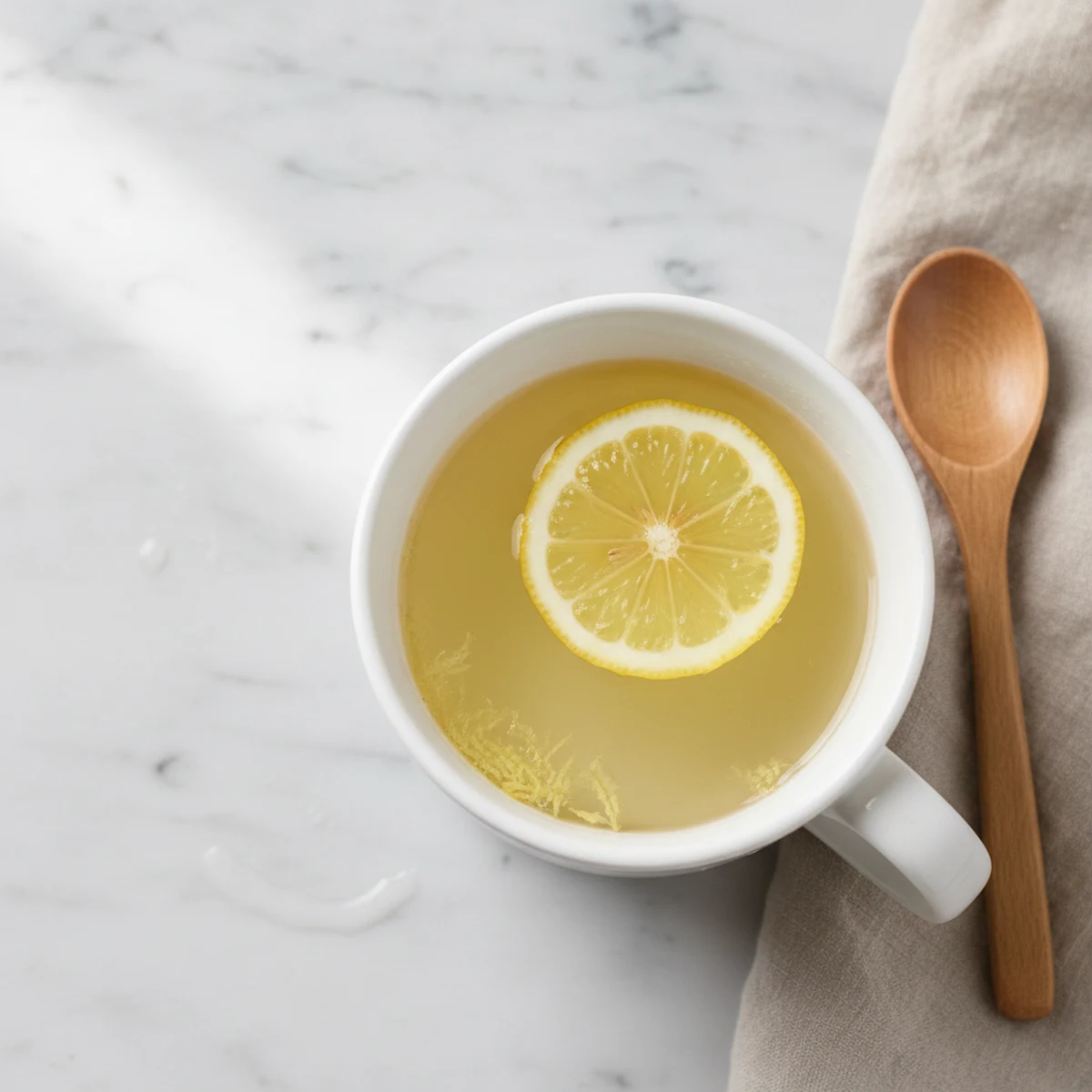
Brazilian Mounjaro (Lemon-Ginger Warm Drink)
Ingredients
Equipment
Method
- Warm 12 ounces of water until it's hot but not boiling — you should be able to comfortably hold your finger in it for a few seconds.
- Peel a small knob of ginger and grate it finely to yield about one teaspoon. Add the grated ginger directly to your mug.
- Pour the warm water over the ginger and let it steep for 2 minutes to release the flavor.
- While it steeps, juice half a lemon to get one tablespoon of fresh juice.
- After 2 minutes, add the lemon juice, apple cider vinegar, and the tiny pinch of salt to the mug. Stir well.
- Taste, then add honey or maple syrup a half teaspoon at a time if you want it sweeter. Sip warm.
Notes
Frequently Asked Questions
Is the Brazilian Mounjaro recipe actually from Brazil?
Not really — the name is internet shorthand that stuck. The combination of lemon, ginger, and vinegar is common in many food cultures, but this specific viral recipe doesn’t have a clear Brazilian origin. Treat it as a modern social media drink rather than a traditional one.
Can I drink this cold instead of warm?
You can, but warm water is what draws out the ginger’s flavor. Cold versions tend to taste flat and more sharply acidic. If you want it cold, make it warm first, let the ginger steep, then pour it over ice.
What does the Brazilian Mounjaro drink taste like?
Tart and citrusy from the lemon, slightly tangy and funky from the apple cider vinegar, with a warm peppery kick from the ginger. Think of it as a sharp, grown-up lemonade — not sweet, but balanced if you add a little honey.
Can I use bottled lemon juice instead of fresh?
Fresh is strongly recommended. Bottled lemon juice has a preserved, slightly metallic taste that really stands out in a drink this simple. Since you only need half a lemon, it’s worth squeezing it fresh.
Is this safe to drink every day?
This is just a flavored water beverage — but I’m a recipe writer, not a doctor. The vinegar is acidic, so sip it rather than chugging it, and rinse your mouth with plain water afterward to protect your teeth. If you have any questions about how acidic drinks fit into your routine, check with your healthcare provider.
Leave a Reply