
The blue salt trick is all about using Persian blue salt as a flashy finishing touch — those icy-blue crystals melt into warm food and give you a crisp, mineral pop that regular flaky salt can’t match. It’s the kind of small move that makes a weeknight steak or a chocolate cookie look restaurant-level.
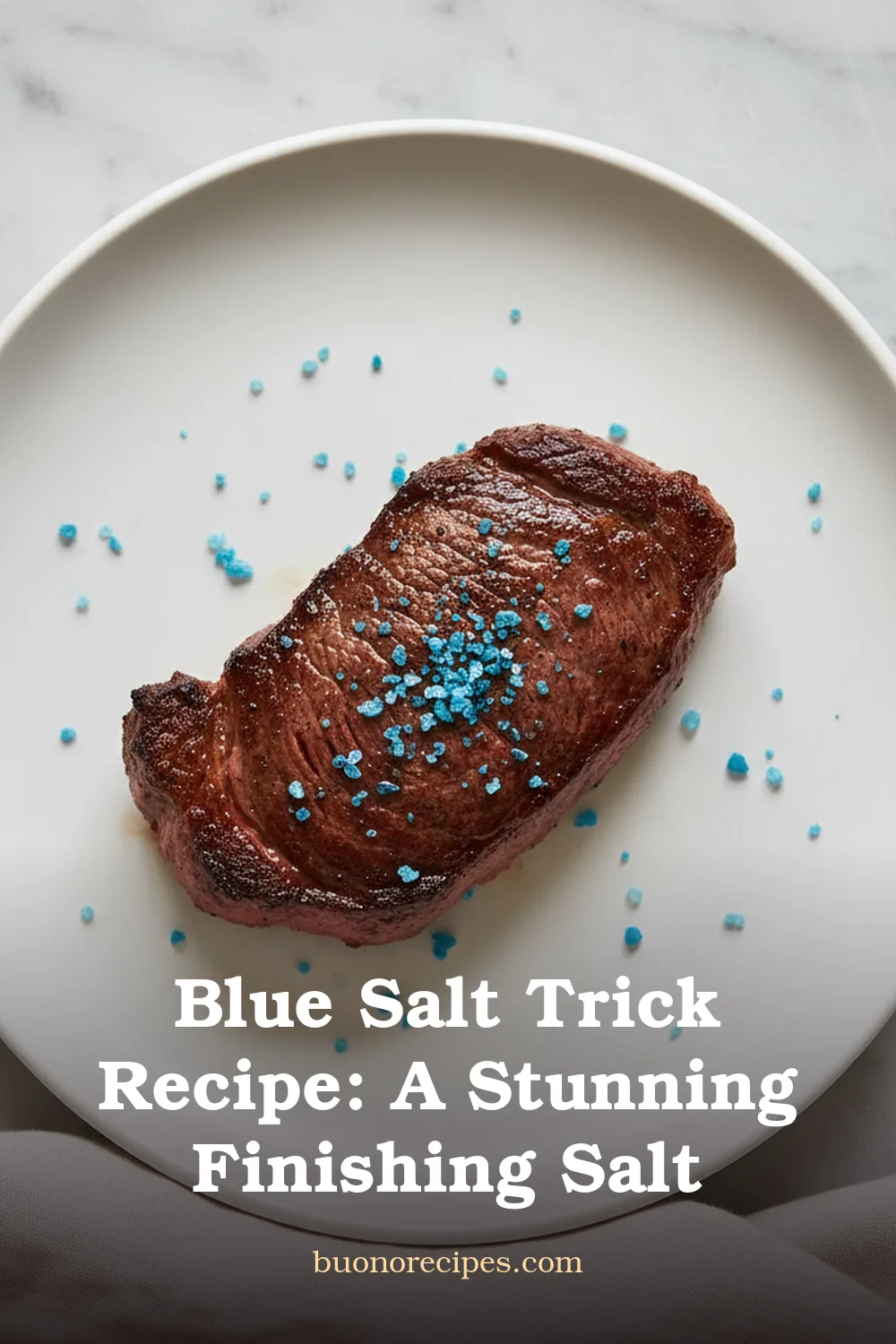
I picked up a small jar of Persian blue salt on a whim, and honestly? A little goes a long way. You don’t cook with it — you *finish* with it, right before serving, so the color stays vivid and the texture stays crunchy.
This blue salt trick recipe walks you through what blue salt actually is, where to find it, and the best dishes to show it off.
What Is the Blue Salt Trick?
The “trick” is simple: instead of stirring blue salt into your food during cooking (which dissolves the crystals and kills both the color and the crunch), you sprinkle it on top at the very end. The blue veins in Persian blue salt come from potassium silicate, and they’re most visible when the salt stays dry and intact.
Persian blue salt is a rare rock salt mined in northern Iran. It has a slightly sulfurous, mineral-forward flavor — not as sharp as Maldon, not as flat as table salt. Think of it as salt with personality.
The trick works best on foods that are warm, slightly oily, or moist on the surface, so the crystals catch the light and just barely begin to cling without fully dissolving.
Why This Recipe Works
This isn’t really a “recipe” in the traditional sense — it’s a technique. But the payoff is huge. You get a visual pop that makes people lean in, plus a textural contrast that elevates anything from roasted vegetables to dark chocolate.
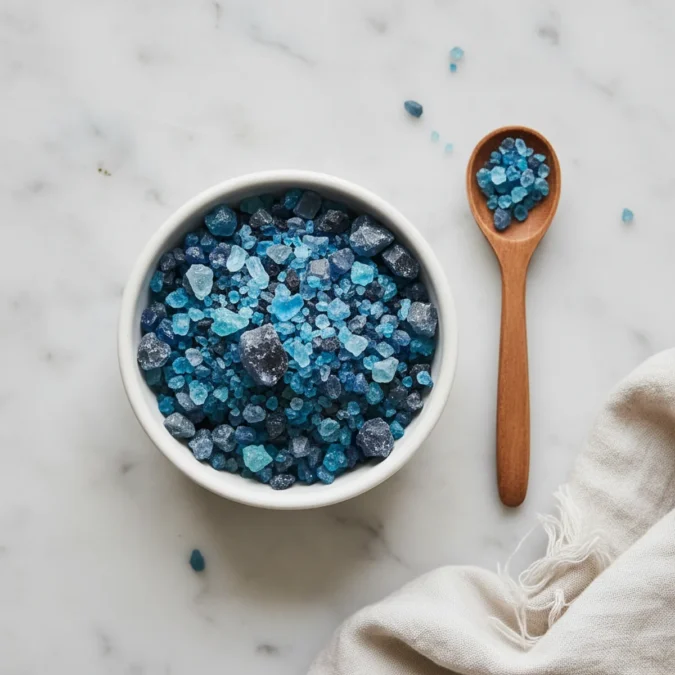
The key is restraint. Blue salt is potent and pricey, so you’re using a pinch, not a pour. That pinch does double duty: seasoning and garnish.
Because the crystals are irregular, you also get uneven bursts of saltiness, which is actually a good thing. It keeps each bite a little different.
What to Put Blue Salt On
Dark chocolate is the classic pairing — the bitterness of high-percentage chocolate plays beautifully with the salt’s mineral edge. Try it on brownies, chocolate bark, or a scoop of vanilla ice cream with hot fudge.
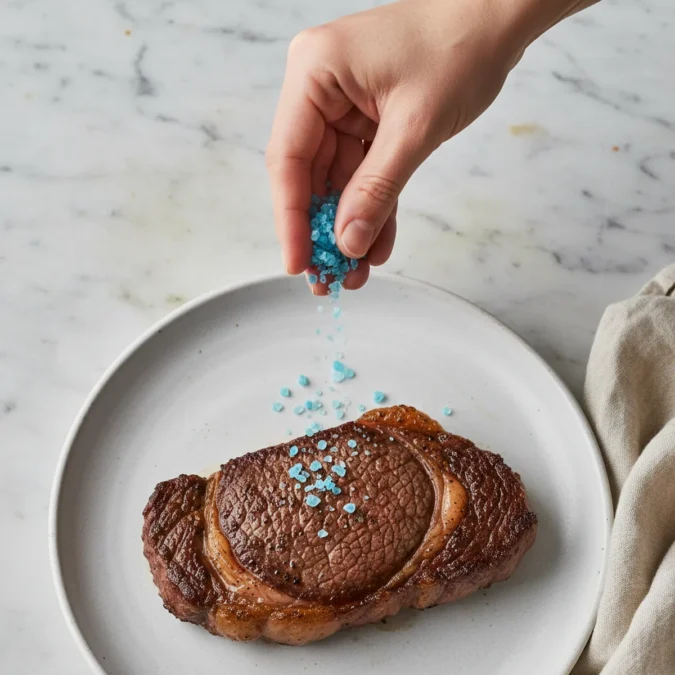
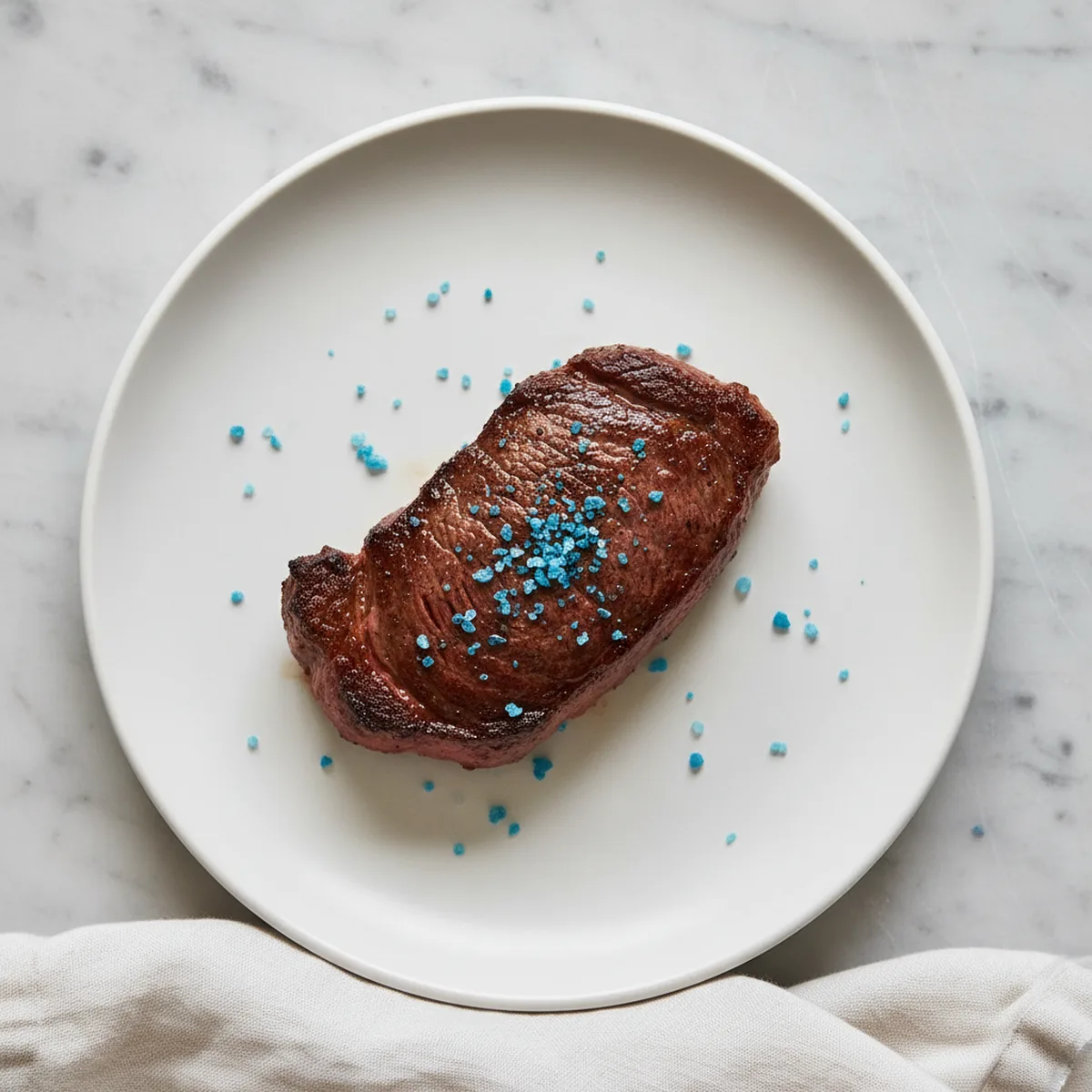
Savory options are just as good. Try it on seared steak, roasted carrots, soft scrambled eggs, or fresh tomatoes with olive oil. Anything where flaky salt would normally go, blue salt can go — with bonus visual drama.
Avoid using it in soups, sauces, or anything wet where it’ll dissolve instantly. You’d be wasting the color and the crunch.
Ingredient Notes & Swaps
Persian blue salt is the real deal here, and it’s worth seeking out online or at specialty spice shops. Look for coarse or flake crystals — fine ground won’t give you the same effect.
Can’t find it? Maldon flaky sea salt is the closest substitute for texture, though you’ll lose the blue color. Hawaiian alaea salt (red) or black lava salt can give a similar dramatic look with a different hue.
For a budget-friendly version, use regular flaky salt for everyday cooking and save the blue salt for when you want to impress. A 1-ounce jar lasts months if you use it as a finishing salt only.
Tips for the Best Results
Sprinkle from high up — about 10-12 inches above the plate — so the crystals distribute evenly instead of landing in clumps. Use your fingers, not a shaker, so you can feel how much you’re applying.
Apply blue salt right before serving. If it sits on moist food too long, it starts to dissolve and the blue fades. For dry foods like cookies or bark, you can apply it slightly earlier.
Store blue salt in an airtight jar away from humidity. It doesn’t go bad, but moisture will clump the crystals and dull the color over time.
Blue Salt Finishing Trick
Ingredients
Equipment
Method
- Prepare your dish fully and plate it as you normally would.
- Open your jar of Persian blue salt and place a small pinch in your fingers — start with less than you think you need.
- Hold your hand about 10-12 inches above the food and let the crystals fall evenly across the surface.
- Serve immediately while the crystals are still intact and the blue color is vivid.
- Taste and adjust — add another tiny pinch only if needed.
Notes
Frequently Asked Questions
What does Persian blue salt taste like?
It has a clean, mineral-forward saltiness with a faint sulfurous edge — not funky, just distinctive. It’s less sharp than Maldon and more complex than standard sea salt. The flavor really shines on rich or sweet foods where its mineral notes create contrast.
Where can I buy Persian blue salt?
You can find it online from specialty spice retailers and on marketplaces like Amazon or Etsy. Some gourmet grocery stores and Middle Eastern markets carry it too. Expect to pay $8-15 for a small jar — it’s a luxury ingredient, but a little goes a long way.
Can I cook with blue salt instead of using it as a finish?
You can, but it’s a waste. Cooking dissolves the crystals, which kills the blue color and the crunchy texture — the two things that make blue salt special. Use regular kosher salt for cooking and save the blue stuff for finishing.
Is blue salt the same as blue Himalayan salt?
No. Persian blue salt comes from Iran and gets its color from potassium silicate. Some products labeled “blue Himalayan salt” are actually regular pink Himalayan salt dyed blue or blended with other minerals. Check the label and buy from a reputable spice source if authenticity matters to you.
How long does Persian blue salt last?
Indefinitely, as long as you keep it dry. Salt doesn’t spoil. The main risk is humidity clumping the crystals and dulling the color, so store it in an airtight jar away from steam and moisture.
Leave a Reply