
A good ranchero sauce recipe is the kind of thing that quietly changes your breakfast game forever. We’re talking roasted tomatoes, jalapeños, garlic, and onion blitzed into a smoky, slightly tangy red sauce that tastes like it simmered all day — except it takes about ten minutes.
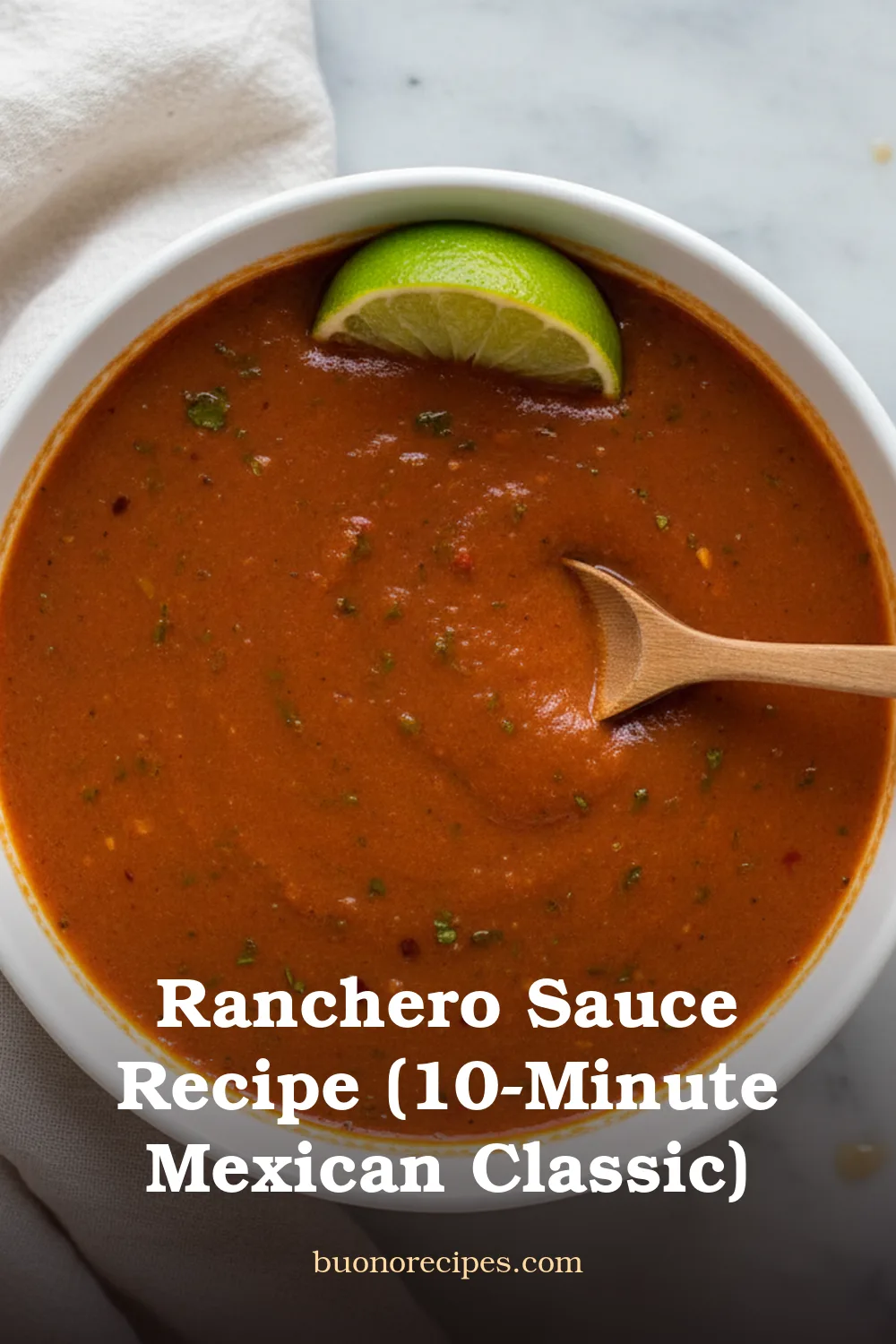
I started making this at home because the jarred stuff always tasted flat and sweet to me, and once you realize how stupid-easy the from-scratch version is, there’s no going back. It’s the backbone of huevos rancheros, but I’ll put it on everything from scrambled eggs to roasted chicken thighs to a bowl of black beans.
The trick is charring your veggies first — that’s what gives ranchero sauce its depth and that little bit of smokiness that makes it taste like it came from a real kitchen, not a factory.
What Is Ranchero Sauce?
Ranchero sauce is a classic Mexican sauce made from blended tomatoes, chiles, onion, and garlic, usually cooked down until thick and flavorful. The name translates roughly to “ranch-style sauce,” and it’s traditionally spooned over eggs for huevos rancheros — but it’s wildly versatile.
Unlike salsa, which is often served raw or chunky, ranchero sauce is cooked and blended smooth (or slightly chunky, if you prefer). It’s got more body and warmth than a typical salsa roja, with a rounded flavor that comes from simmering the blended vegetables together.
Think of it as the cozy, cooked-down cousin of your favorite red salsa — a little richer, a little deeper, and built to be poured generously over things.
Why This Ranchero Sauce Recipe Works
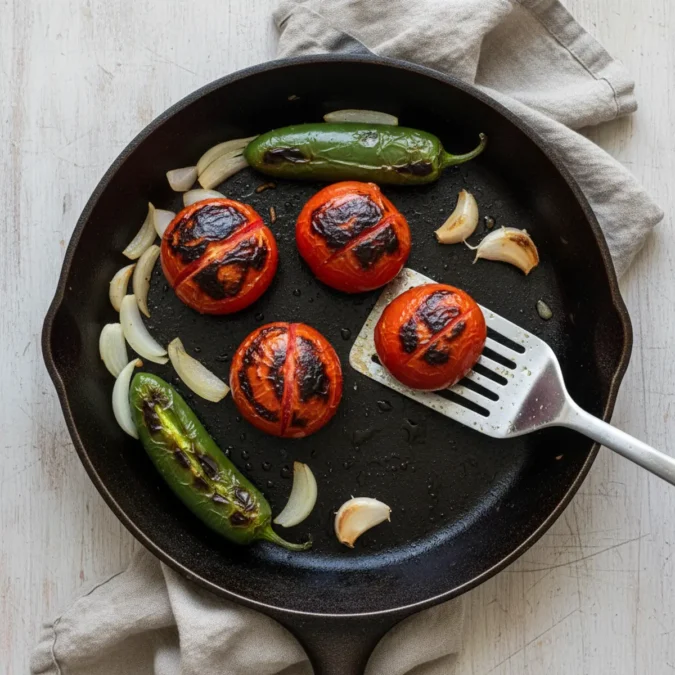
The secret is in the charring. Blistering the tomatoes, jalapeños, onion, and garlic in a hot skillet before blending caramelizes the sugars and adds a smoky layer you simply can’t get from raw veggies dumped straight into a blender. It takes two extra minutes and makes a massive difference.
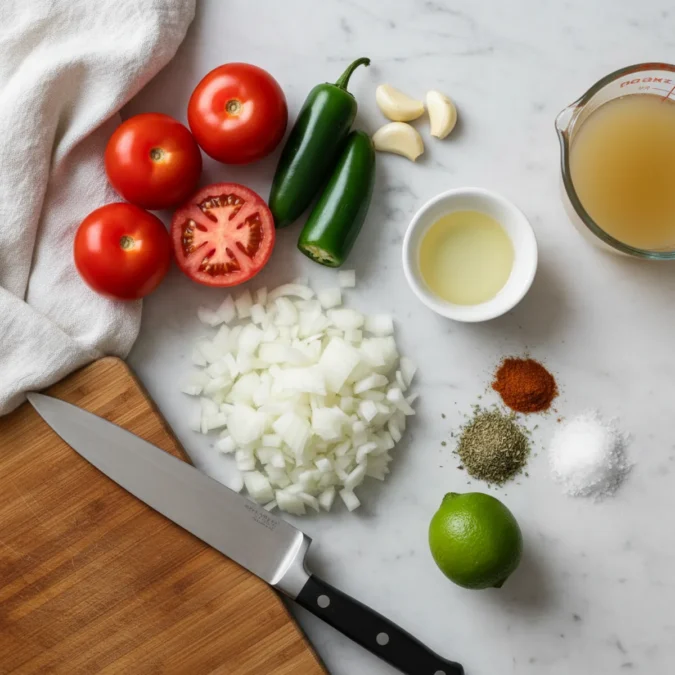
I also add a pinch of cumin and a splash of chicken broth (or veggie broth) to loosen the sauce and round out the acidity of the tomatoes. A little dried oregano — Mexican oregano if you’ve got it — adds an earthy note that ties everything together.
The result is a sauce that’s bright but not sharp, smoky but not heavy, with just enough heat to wake you up without wrecking your palate. It keeps beautifully in the fridge, so you can make a batch on Sunday and eat through it all week.
Ingredients & Smart Swaps
The base is simple: Roma tomatoes, jalapeños (or serranos if you want more heat), white onion, garlic, salt, cumin, oregano, and a splash of broth. A little oil for cooking — I use neutral vegetable oil, but olive oil works fine too.
For a smokier version, swap one of the fresh jalapeños for a chipotle pepper in adobo. It changes the character entirely and is honestly one of my favorite variations. You can also fire-roast the tomatoes over a gas flame or under the broiler instead of in a skillet if you want even more char.
Need it vegan? Use vegetable broth instead of chicken. Gluten-free? This sauce is naturally gluten-free. Keto-friendly? Tomatoes have some carbs, but this sauce is low enough to work for most keto plans — just skip any added sugar. If you can’t find Roma tomatoes, any firm, ripe tomato will do — just avoid anything overly watery or mealy.
Tips for the Best Sauce
Don’t skip the char — it’s the single most important step. A cast iron skillet works best because it holds heat and gets a good sear on the veggies, but any heavy skillet will do. You want real black spots on the tomatoes and peppers, not just a light browning.
Blend while the veggies are still warm — it gives you a smoother sauce and releases more flavor. If you like a chunkier texture, pulse instead of blending continuously, or just blend half and mash the rest with a fork.
Taste and adjust at the end. Tomatoes vary wildly in acidity, so you might need an extra pinch of salt or even a tiny squeeze of lime to balance things out. Trust your tongue here, not the recipe amounts.
Serving Ideas
The obvious move: huevos rancheros. Fry an egg, warm a tortilla, and drape this sauce over the top with some crumbled queso fresco and cilantro. It’s one of the best breakfasts on earth.
But don’t stop there. Spoon it over grilled chicken, pork chops, or roasted vegetables. Use it as an enchilada sauce in a pinch (it’s thinner than traditional enchilada sauce but works beautifully). Stir it into rice or beans, or use it as a braising liquid for shredded chicken.
It’s also fantastic on a breakfast burrito, over nachos, or just served warm with tortilla chips as a dip. Honestly, if you have this in your fridge, you’ll find excuses to use it.
Storage & Freezing
Store cooled ranchero sauce in an airtight jar or container in the fridge for up to 5 days. The flavor actually improves after a day — the smokiness mellows and everything melds together.
It freezes beautifully, too. Pour it into freezer-safe containers or ice cube trays (great for single portions) and freeze for up to 3 months. Thaw overnight in the fridge or warm gently in a saucepan with a splash of broth.
I usually double the recipe because it disappears fast and having a stash in the freezer feels like a small gift to your future self.
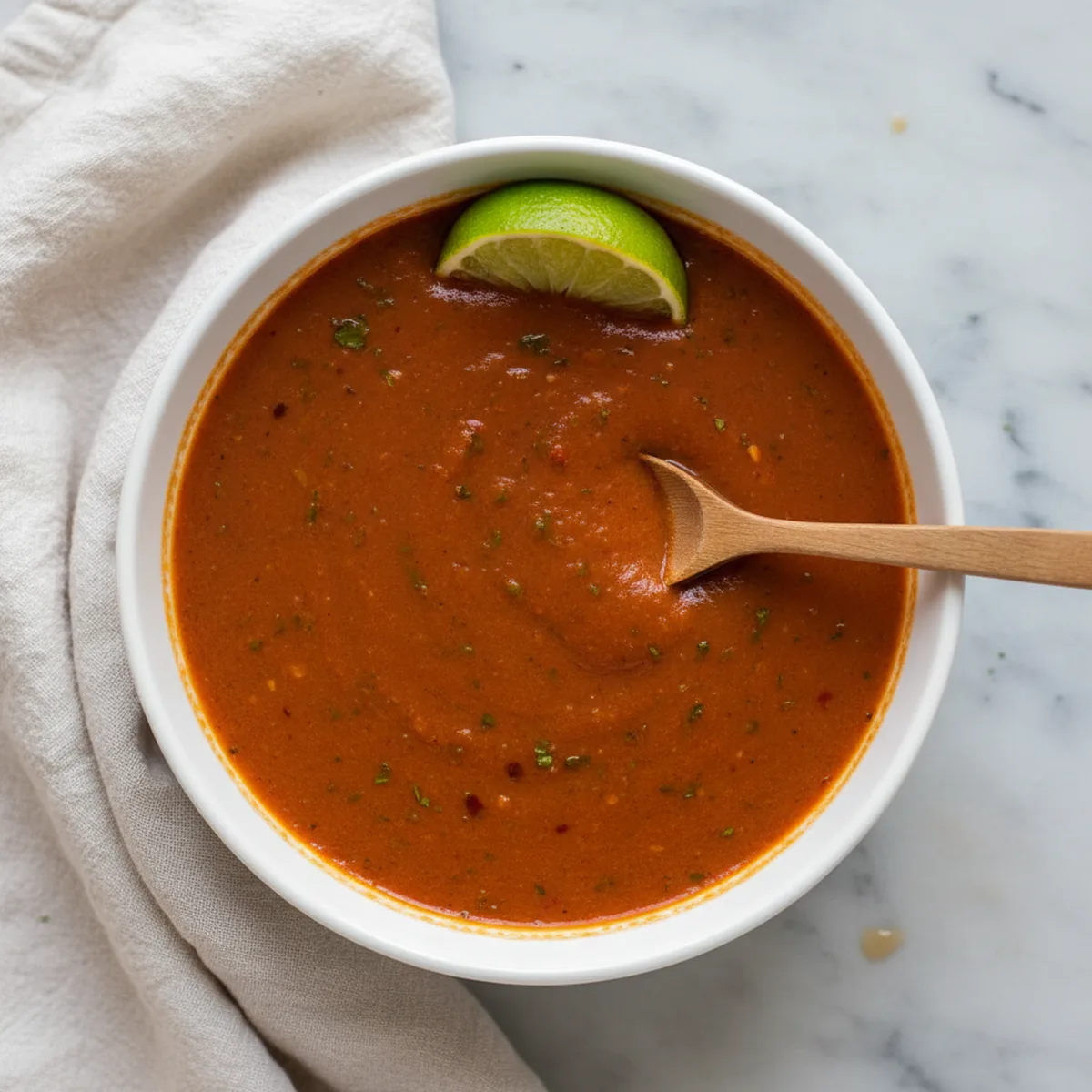
Homemade Ranchero Sauce
Ingredients
Equipment
Method
- Heat a cast iron or heavy skillet over medium-high heat until hot. Add the tomatoes cut-side down, jalapeños, onion, and garlic (leave garlic in its skin if you prefer, then peel after).
- Char the vegetables for 4-6 minutes, flipping occasionally, until the tomatoes and peppers have dark blistered spots and the onion is softened. Remove garlic earlier if it starts burning.
- Transfer everything to a blender, including any juices from the skillet. Add the broth, cumin, oregano, and salt. Blend until smooth — or pulse for a chunkier texture.
- Wipe out the skillet, add the oil, and heat over medium. Pour in the blended sauce and simmer for 3-4 minutes, stirring occasionally, until it thickens slightly and darkens in color.
- Taste and adjust seasoning — add more salt or a squeeze of lime if the tomatoes are very acidic. Serve warm or cool and store.
- The sauce will thicken a bit more as it cools. If it's too thick, loosen with another splash of broth.
Notes
Frequently Asked Questions
Is ranchero sauce spicy?
It’s got a mild-to-medium kick from the jalapeños. If you want it milder, remove the seeds and membranes from the peppers before charring. For more heat, leave the seeds in or swap a jalapeño for a serrano — serranos are significantly hotter.
What's the difference between ranchero sauce and salsa?
Salsa is often served raw or chunky and cold, while ranchero sauce is cooked and blended smooth. Ranchero sauce is also usually a bit richer and more complex because the vegetables are charred and then simmered together. Think of salsa as a condiment and ranchero sauce as more of a cooking sauce.
Can I use canned tomatoes instead of fresh?
Yes — in a pinch, a 14.5-ounce can of fire-roasted diced tomatoes works well. You won’t get the same char, but fire-roasted canned tomatoes have a decent smokiness. Skip the charring step and just sauté the onion, garlic, and jalapeños briefly before blending everything together.
How long does ranchero sauce last in the fridge?
Up to 5 days in an airtight container. The flavor actually gets better after a day in the fridge as the smokiness mellows and the spices settle in. You can also freeze it for up to 3 months — I like freezing it in ice cube trays for easy single portions.
Can I make ranchero sauce without a blender?
You can, but the texture will be chunkier. Use a food processor for a smoother result, or finely chop the charred vegetables and mash them with a fork or mortar and pestle. It won’t be as silky, but it’ll still taste great — more like a rustic chunky salsa.
Leave a Reply