
I spent years buying those tiny cans of chipotle in adobo, using two peppers, and letting the rest turn into science experiments in the back of the fridge. Making your own adobo sauce recipe from scratch completely changes the game. It’s deeply smoky, slightly tangy, and packed with earthy chile flavor that puts the canned stuff to shame.
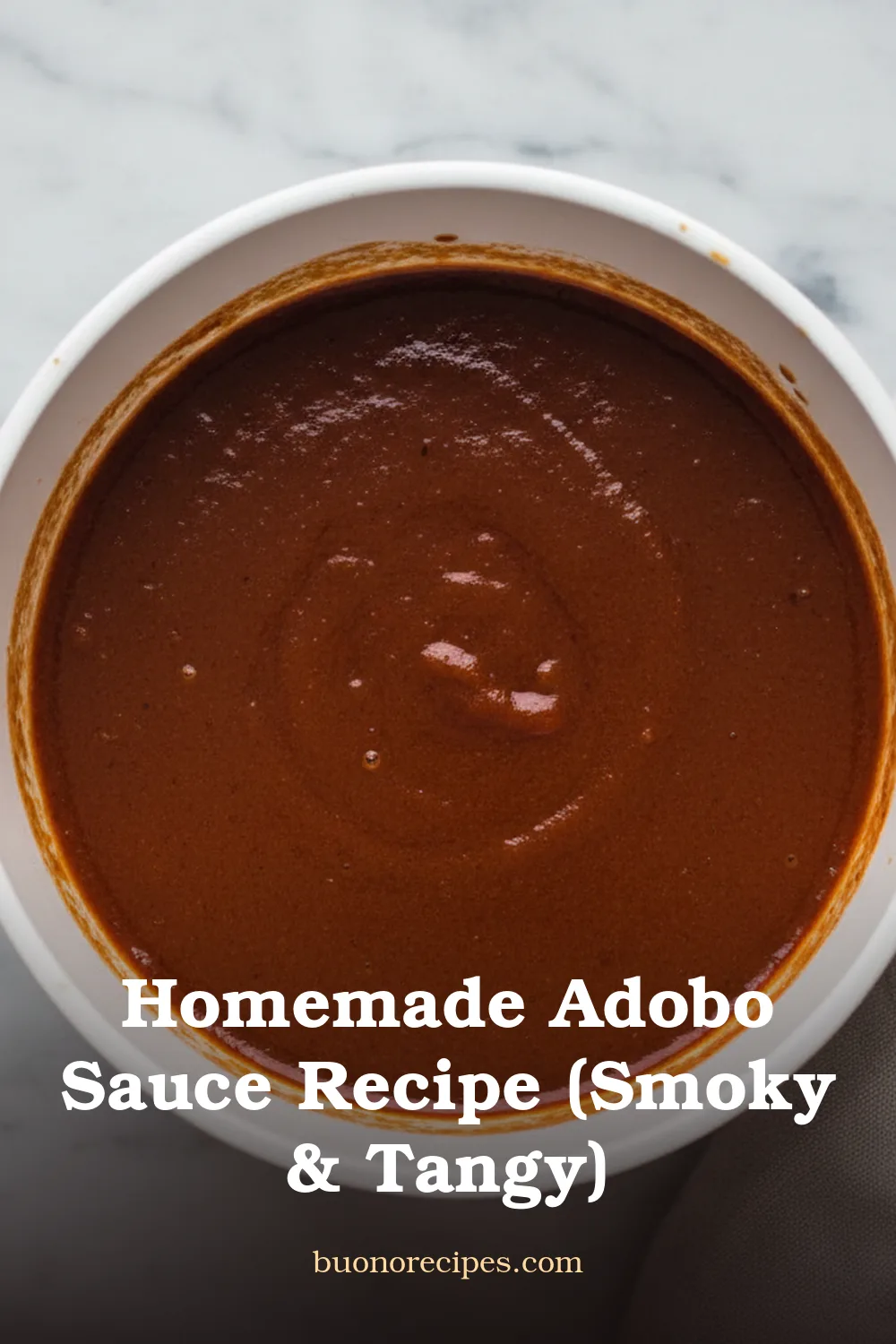
This homemade version uses a blend of dried ancho and guajillo chiles, plus a touch of chipotle powder for that signature smoky kick. You can use it as a marinade for chicken or pork, swirl it into mayo for a killer sandwich spread, or simmer it directly into a pot of beans.
It takes about 30 minutes start to finish, and you can freeze the leftovers in ice cube trays so you never waste a drop. Let’s get blending.
What is Adobo Sauce?
Adobo sauce is a deeply flavored, rust-red Mexican condiment made from a blend of dried chiles, vinegar, garlic, and spices. You’ve probably tasted it clinging to those chipotle peppers in the little cans at the grocery store. It’s the backbone of countless Mexican dishes, acting as a marinade, braising liquid, or flavor base.
The word “adobo” actually refers to the Spanish technique of marinating meat in vinegar and spices. In Mexican cuisine, this evolved into a rich, earthy sauce heavily reliant on dried, smoked chiles. It’s incredibly versatile and brings a savory, smoky depth to anything it touches.
Why This Adobo Sauce Recipe Works
Most store-bought versions are overly salty and rely on a one-note smoky flavor. Our adobo sauce recipe builds complexity by combining ancho and guajillo chiles. Anchos bring a sweet, raisin-like depth, while guajillos add a bright, slightly fruity heat.
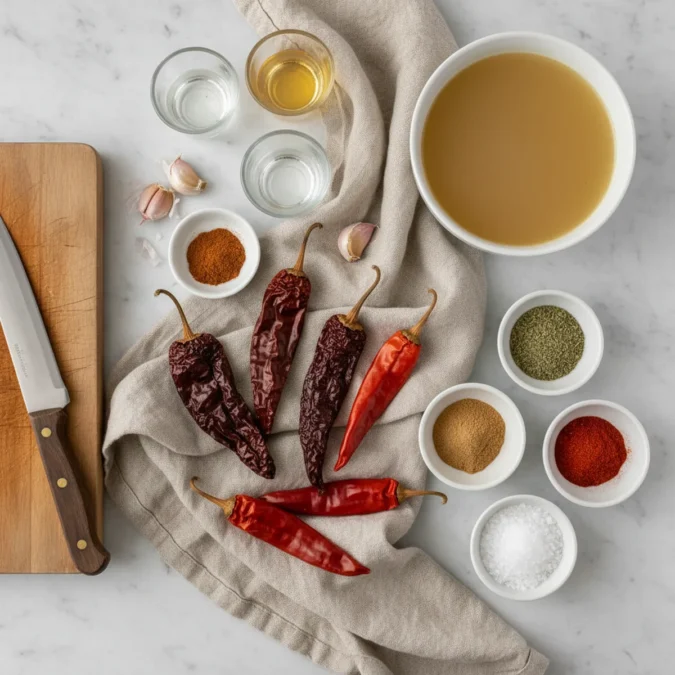
We toast the dried chiles briefly to wake up their essential oils before blending. This step only takes a minute, but it makes a massive difference in the final flavor. A quick simmer in vinegar and broth melds the sharp edges of the garlic and spices into a smooth, cohesive sauce.
Key Ingredients for Adobo Sauce
Dried Ancho Chiles: The base of the sauce, providing a mild, sweet heat. Dried Guajillo Chiles: Adds a tangy, fruity brightness. Chipotle Powder: Gives that signature smoky kick you expect from canned adobo. You can use 1-2 canned chipotle peppers instead if you have them.
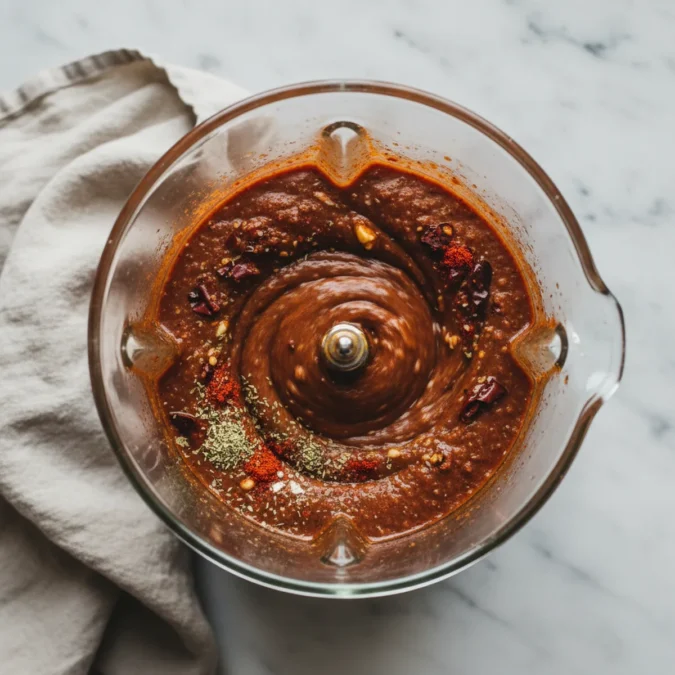
Vinegar: A mix of white and apple cider vinegar provides the right acidic punch to balance the chiles. Spices: Cumin, oregano, and paprika round out the earthy flavor profile.
Smart Swaps & Dietary Tweaks
Need to adjust the heat? Leave out the chipotle powder entirely for a mild, family-friendly sauce, or add a pinch of cayenne if you want to sweat. If you can’t find guajillo chiles, just use all anchos—the sauce will be slightly sweeter but still delicious.
For a vegan and gluten-free adobo sauce, use vegetable broth instead of chicken broth. This recipe is naturally gluten-free, but always double-check your spice labels if you have severe sensitivities.
Pro Tips for the Best Sauce
Don’t skip the toasting step, but watch the chiles like a hawk. They go from perfectly toasted to burnt and bitter in about 15 seconds. Keep them moving in a dry, hot skillet for 30-60 seconds until they soften slightly and smell nutty.
When blending, make sure to blend the sauce for a full minute or two. If you want an ultra-smooth sauce, pour it through a fine-mesh strainer after blending to catch the tough chile skins. It’s an extra step, but worth it for a silky texture.
How to Use and Store It
This sauce is a workhorse. Use it as a marinade for chicken thighs, pork shoulder, or tofu before grilling or roasting. Mix a spoonful into sour cream or mayo for a quick dip, or stir it into a pot of black beans for a smoky side dish.
Store your homemade adobo sauce in an airtight jar in the fridge for up to two weeks. For longer storage, freeze it in silicone ice cube trays. Once frozen, pop the cubes into a freezer bag. You can grab a single cube anytime you need a hit of smoky flavor for soups or marinades.
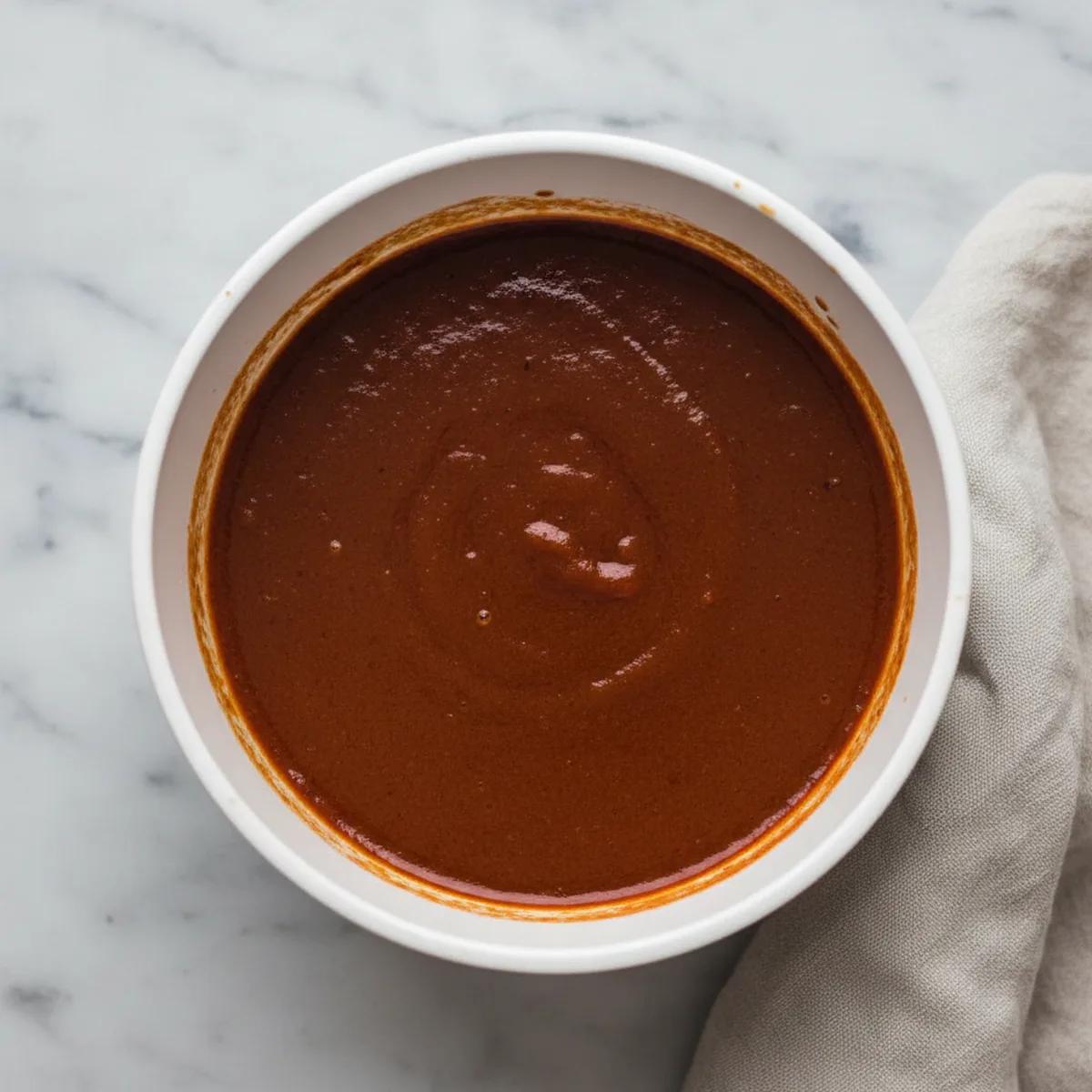
Homemade Adobo Sauce
Ingredients
Equipment
Method
- Heat a dry skillet over medium-high heat. Toast the ancho and guajillo chiles for 30-60 seconds per side until fragrant and pliable. Do not let them burn.
- Transfer the toasted chiles to a bowl and cover with hot water. Let them soak for 15 minutes until completely soft.
- Drain the chiles and add them to a blender along with the chipotle powder, garlic, white vinegar, apple cider vinegar, broth, oregano, cumin, paprika, and salt.
- Blend on high for 1-2 minutes until completely smooth. For a silkier texture, strain the sauce through a fine-mesh sieve.
- Pour the sauce into a small saucepan and bring to a gentle simmer over medium-low heat. Cook for 5-10 minutes to let the flavors meld and the sauce thicken slightly.
- Let cool completely before storing or using as a marinade.
Notes
Frequently Asked Questions
Is adobo sauce spicy?
It has a mild to moderate heat. The anchos and guajillos are relatively mild, but the chipotle powder brings a noticeable smoky kick. You can adjust the spice level by adding more or less chipotle.
Can I use fresh chiles instead of dried?
Dried chiles are essential for authentic adobo sauce because they provide a concentrated, earthy flavor that fresh chiles lack.
What's the difference between adobo sauce and Filipino adobo?
Mexican adobo sauce is a red chile and vinegar condiment used as a marinade. Filipino adobo is a cooking method where meat is braised in soy sauce, vinegar, and garlic.
Can I make this without a blender?
A food processor will work, but you will definitely need to strain the sauce through a fine-mesh sieve, as it won’t get the chile skins as smooth as a high-speed blender.
Leave a Reply