
This creamy lemon garlic salmon sauce recipe takes about five minutes and turns a plain fillet into something you’d happily pay $25 for at a restaurant. It’s silky, bright, a little garlicky, and clings to every flake of fish without overpowering it.
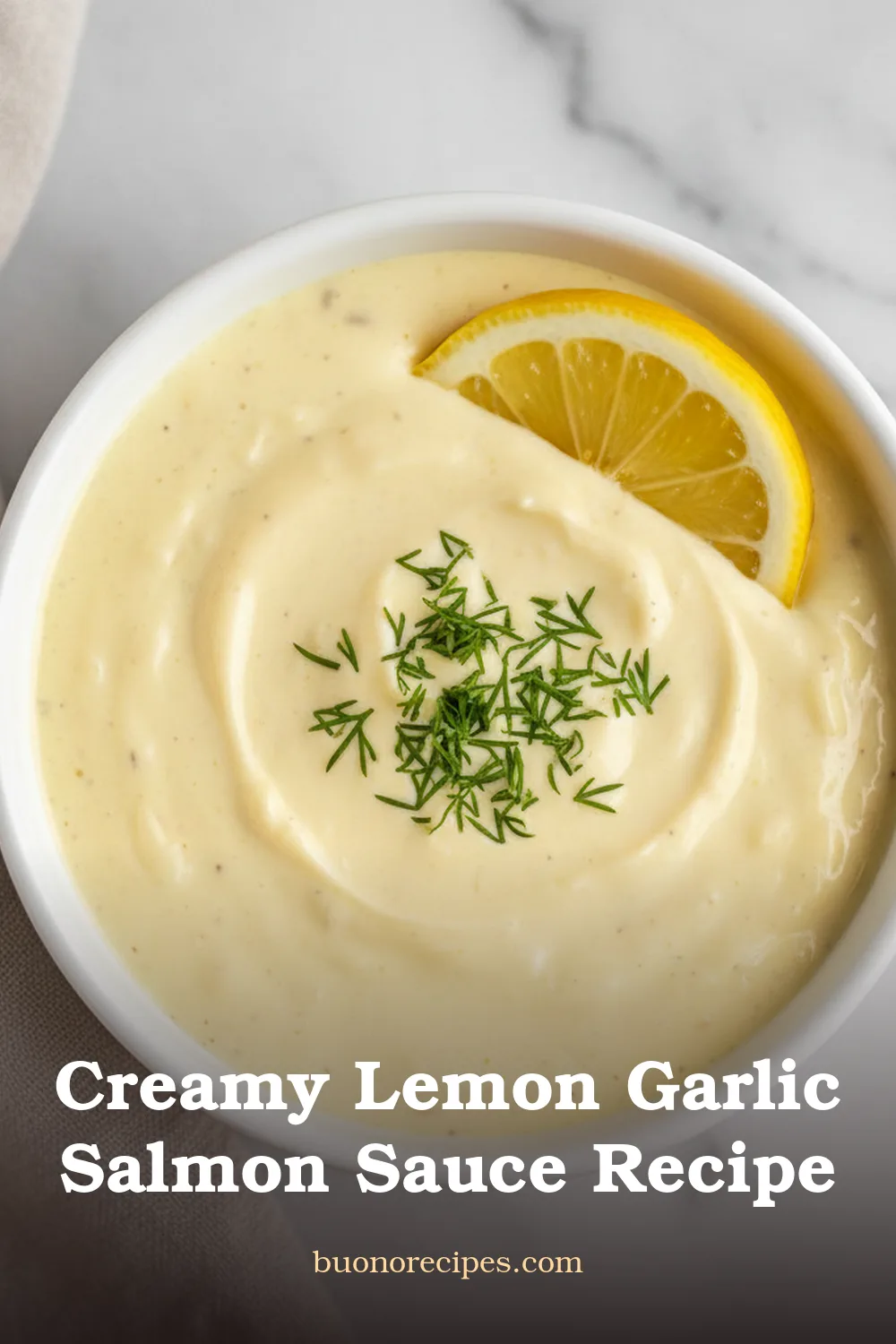
I started making this sauce on nights when salmon felt boring but I didn’t want to do anything complicated. Now it’s the only sauce I reach for — it works on pan-seared, baked, or grilled salmon, and honestly, it’s good on roasted potatoes too.
The trick is balancing the lemon so it cuts through the cream without turning it into a sour mess. A little Dijon mustard does the heavy lifting there, rounding everything out with a subtle tang that makes the whole thing taste intentional.
What Is Creamy Salmon Sauce?
Creamy salmon sauce is a quick pan or blender sauce built on a base of cream, butter, or a combination, brightened with lemon and rounded out with garlic and herbs. It’s the kind of sauce you see on restaurant salmon — glossy, rich, and just thin enough to drizzle.
The version here leans French-American: lemon, garlic, Dijon, a splash of cream, and fresh dill. It’s not a béarnaise or hollandaise (those are egg-yolk emulsions that take real technique), but it hits the same satisfying notes with a fraction of the effort.
You can make it directly in the pan after searing salmon — deglazing with a little wine or broth picks up the fond (those browned bits) and adds depth for free. Or you can whisk it together separately in five minutes if your salmon is already cooked.
Why This Salmon Sauce Recipe Works
The balance is everything. Lemon juice alone in cream can curdle and taste sharp, but Dijon mustard acts as an emulsifier and flavor bridge — it smooths the acid out so the sauce stays silky and tastes rounded instead of sour.
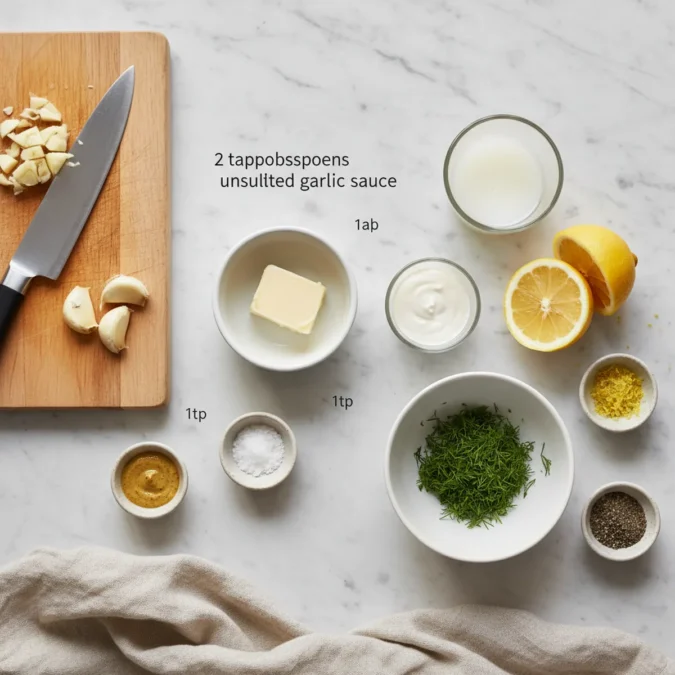
Garlic is added off the heat or gently sautéed so it doesn’t turn bitter. Fresh dill goes in at the end so it stays bright green and grassy rather than wilted and muddy. And the cream ratio is calibrated to coat the fish without pooling into soup on your plate.
I’ve tested this with heavy cream, half-and-half, and even sour cream thinned with broth — heavy cream gives the best texture, but I’ll walk you through swaps below if you need them.
Ingredient Notes
Heavy cream is the backbone here. Don’t substitute milk — it’ll break and taste thin. Half-and-half works if that’s what you have, but the sauce will be a little looser. For a lighter version, see the swaps section.
Fresh lemon juice matters more than you’d think. Bottled juice has a flat, metallic edge that dulls the whole sauce. One medium lemon gives you roughly 2–3 tablespoons, and you’ll want the zest too — it doubles the lemon flavor without adding more acid.
Dijon mustard is the secret ingredient. Use a smooth Dijon (Grey Poupon or similar), not whole-grain. You only need a teaspoon, but skip it and you’ll notice the sauce tastes flatter and less cohesive. Fresh dill is ideal, but dried dill works in a pinch — use half the amount.
Smart Swaps and Dietary Options
Gluten-free: This sauce is naturally gluten-free as written. If you thicken with a roux or cornstarch slurry, use cornstarch or a GF flour blend instead of wheat flour.
Dairy-free/vegan: Swap the butter for olive oil or vegan butter, and use full-fat coconut cream (the thick part of a can) or a cashew cream instead of heavy cream. The flavor shifts slightly toward tropical, so add an extra squeeze of lemon to balance it.
Lighter version: Replace heavy cream with evaporated milk or a mix of Greek yogurt and broth (2 tablespoons yogurt + 2 tablespoons broth per serving). It won’t be as luxurious, but it’s still good and cuts the calories significantly.
Herb swaps: No dill? Parsley, chives, or tarragon all work. Tarragon is especially nice if you want a more French bistro feel. Basil is too sweet for this one — skip it.
Tips for the Best Sauce
Don’t let the cream boil hard. A gentle simmer keeps it smooth; a rolling boil can cause it to separate or get grainy. Once you add the cream, keep the heat at medium-low and stir frequently.
Add lemon off the heat if you’re nervous about curdling. Stir the cream and garlic together first, pull the pan off the burner, then whisk in lemon juice and zest. The residual heat is enough — you’re not cooking the lemon, you’re flavoring the cream.
Make it ahead: This sauce holds well in the fridge for 3–4 days. Reheat gently over low heat with a splash of broth or water to loosen it. Don’t microwave on high — it’ll separate. Low and slow is the move.
Serving and Storage
Spoon it over pan-seared or baked salmon right before serving — don’t let the fish sit in the sauce or it’ll get mushy. This also works beautifully on trout, cod, shrimp, or even roasted chicken breasts.
For a full plate, pair it with salmon plus something starchy to soak up the extra sauce: garlic rice, roasted baby potatoes, or crusty bread. A simple green vegetable like asparagus or green beans rounds it out.
Store leftover sauce in an airtight container in the fridge for up to 4 days. I don’t recommend freezing — dairy sauces often break and get grainy when thawed. If you must freeze it, reheat very gently with constant whisking and accept that the texture won’t be quite the same.
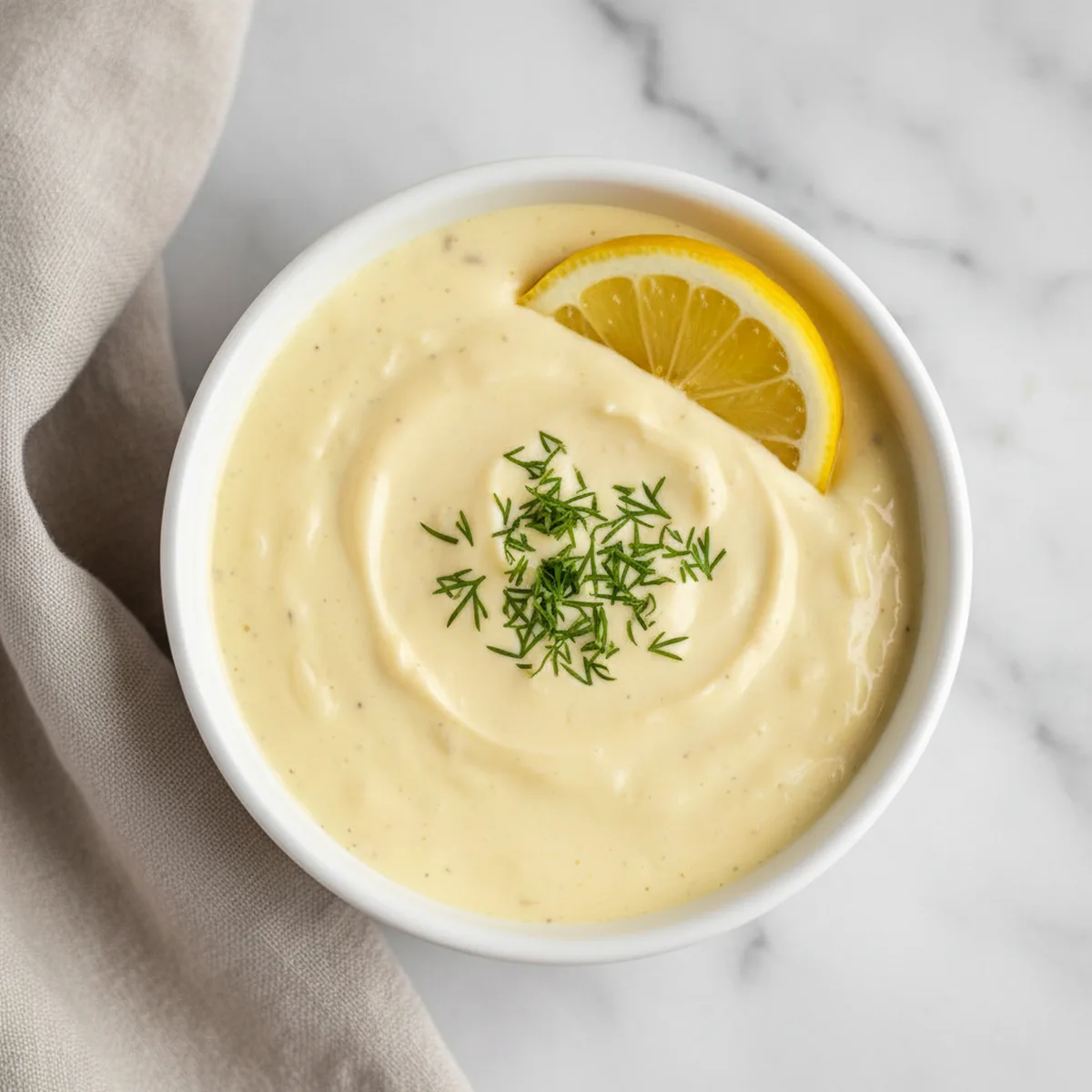
Creamy Lemon Garlic Salmon Sauce
Ingredients
Equipment
Method
- Melt butter in a small skillet over medium-low heat.
- Add minced garlic and sauté for 30–60 seconds until fragrant — don't let it brown.
- If deglazing, add the white wine or broth now and scrape up any browned bits. Let it reduce by half, about 1 minute.
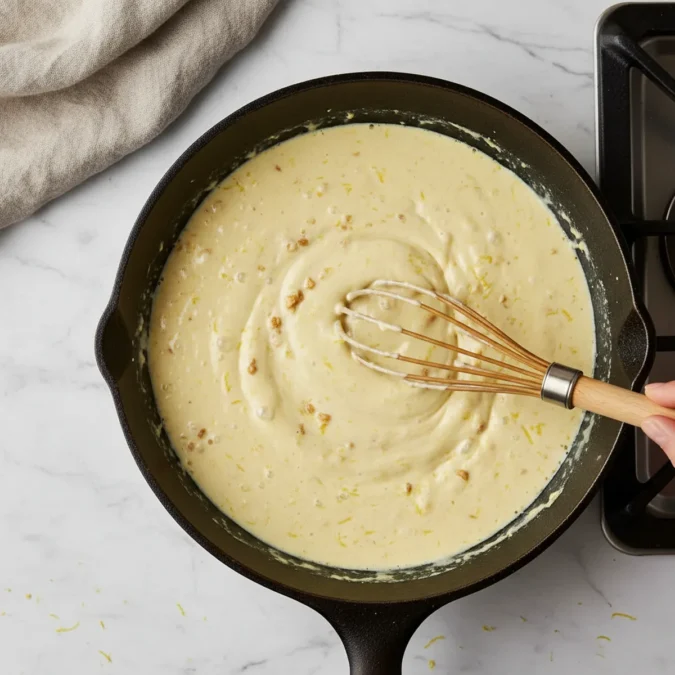
- Whisk in Dijon mustard until smooth, then pour in heavy cream. Stir to combine.
- Bring to a gentle simmer (not a boil) and cook 2–3 minutes until slightly thickened.
- Remove from heat. Whisk in lemon juice, lemon zest, dill, salt, and pepper.
- Taste and adjust — add more salt or lemon if needed. Spoon over cooked salmon immediately.
Notes
Frequently Asked Questions
Can I make this salmon sauce without cream?
Yes — use full-fat coconut cream, cashew cream, or a mix of Greek yogurt and broth (2 tablespoons each per serving). The texture won’t be quite as luxurious, but the lemon-garlic-dill flavor still carries it. If using yogurt, stir it in off the heat so it doesn’t curdle.
What if my sauce breaks or looks grainy?
It usually means the heat was too high or the lemon hit boiling cream. Fix it by pulling the pan off the heat and whisking in a teaspoon of cold water or broth until it smooths out. If that doesn’t work, whisk in a small splash of cream off the heat to re-emulsify.
Can I make this sauce ahead of time?
Absolutely. Make it up to 3–4 days ahead and store in the fridge. Reheat gently over low heat with a splash of broth or water to loosen it. Don’t microwave on high — slow and low keeps it from breaking.
Can I use dried dill instead of fresh?
Yes, use half the amount — 1 1/2 teaspoons dried dill instead of 1 tablespoon fresh. Add it a little earlier in the cooking process (with the garlic) so it rehydrates, then taste at the end and add more if you want a stronger flavor.
What salmon cooking method works best with this sauce?
Pan-seared is ideal because you can deglaze the same pan and pick up all the browned bits for extra flavor. But it’s equally good on baked or grilled salmon — just make the sauce separately in a small skillet while the fish cooks.
Leave a Reply