
Sweet, salty, and a little tangy—this yakisoba sauce recipe takes five minutes to whisk together and completely transforms your weeknight stir-fries. If you’ve ever bought a bottle of Japanese stir-fry sauce only to let it gather dust in the fridge door, this is your solution.
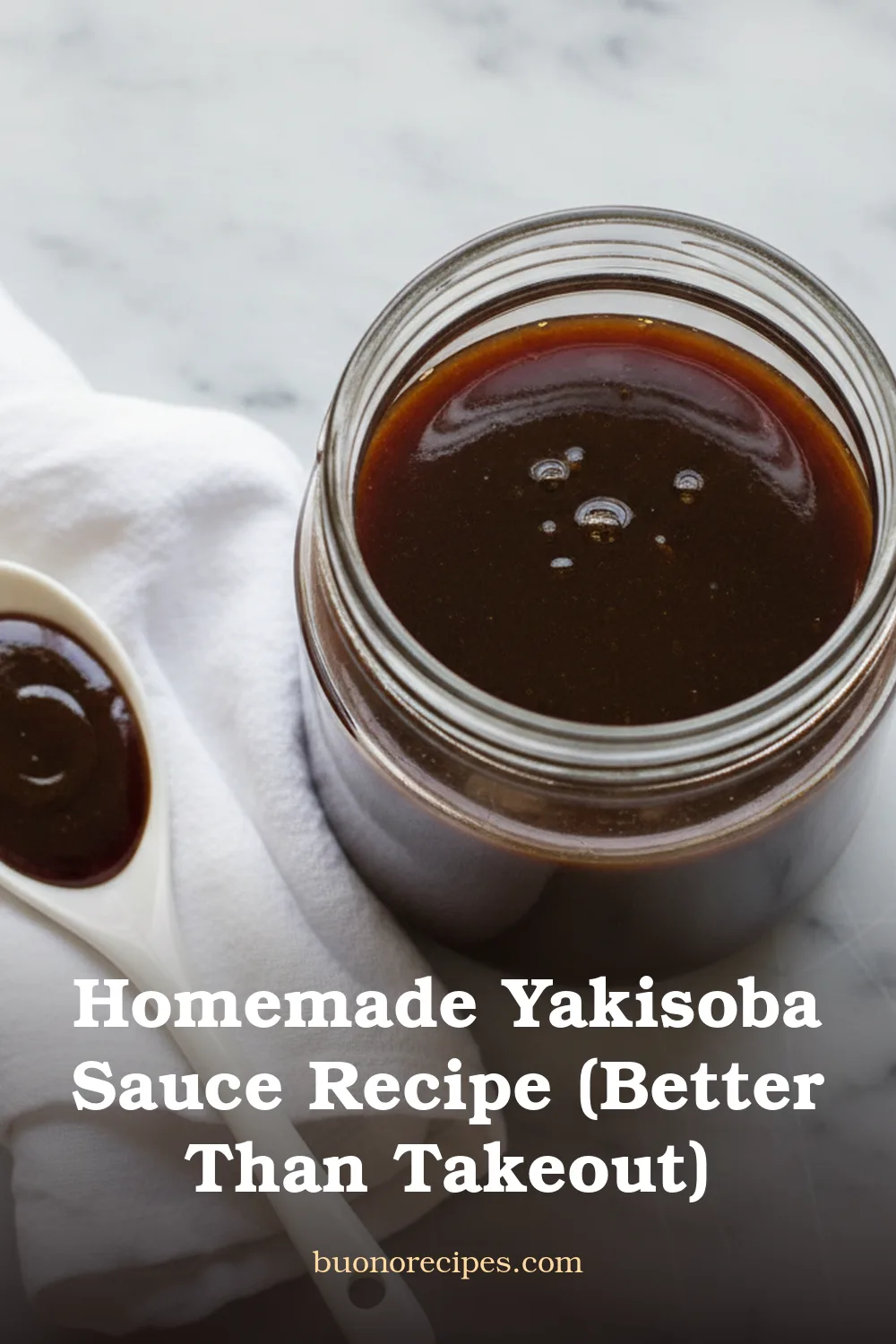
I’ve been making this exact blend for quick noodle bowls, and it hits that perfect savory-sweet balance without being cloying. You probably already have everything you need in your pantry right now.
What is Yakisoba Sauce?
Yakisoba sauce is the classic Japanese condiment used to season yakisoba, a popular stir-fried noodle dish. It’s thick, rich, and packed with umami, with a flavor profile that leans heavily into savory, sweet, and slightly tangy territory.
Unlike thinner soy-based sauces, this sauce clings to noodles and vegetables, ensuring every bite is well-coated. It’s traditionally made from a blend of Worcestershire sauce, soy sauce, oyster sauce, and sweeteners, creating a complex flavor that’s hard to replicate with just one ingredient.
Why This Yakisoba Sauce Recipe Works
The secret to a great homemade yakisoba sauce recipe is balancing the salty depth of soy and oyster sauce with the tangy fruitiness of Worcestershire and the sweetness of sugar. Ketchup acts as a secret binder, giving the sauce a beautiful glossy sheen and a slight acidity that cuts through the richness of stir-fried pork or chicken.
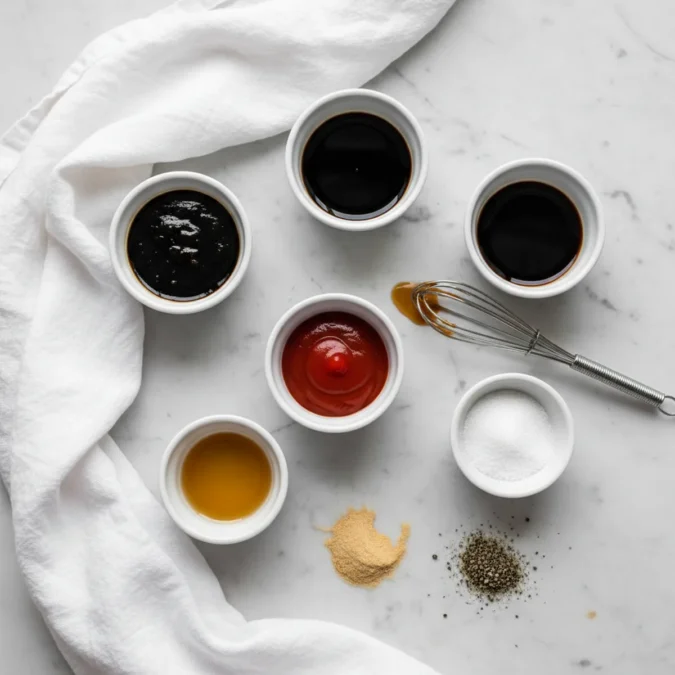
Because this comes together in a single bowl with zero cooking required, it’s infinitely scalable. You can make exactly as much as you need for dinner tonight, or mix up a big batch to keep on hand for emergency noodle nights. It tastes remarkably close to the beloved Otafuku brand, but you control the sodium and sugar.
Ingredient Notes & Swaps
Worcestershire sauce provides that signature tangy, slightly fruity backbone. If you have Japanese Bulldog sauce (Tonkatsu sauce), you can substitute it 1:1 for the Worcestershire and ketchup, though the pantry-staple version is just as good.
For a gluten-free version, simply swap the soy sauce for tamari and ensure your Worcestershire sauce is gluten-free (Lea & Perrins in the US is, but always check labels). If you need a vegan sauce, use a plant-based oyster sauce made from mushroom extract.
Prefer a deeper, richer flavor? Swap white sugar for dark brown sugar. You can also add a pinch of garlic powder or a dash of rice vinegar if you like a little extra kick.
How to Use Your Sauce
The obvious choice is tossing this into stir-fried ramen noodles with cabbage, carrots, and protein for a classic yakisoba dinner. Add the sauce at the very end of cooking, tossing vigorously for 30 seconds so the noodles absorb the flavor without getting mushy.
But don’t stop there. This yakisoba sauce recipe works brilliantly as a marinade for chicken thighs, a glaze for pan-fried tofu, or a drizzle over fried rice. I’ve even used it as a quick dip for potstickers when I was out of soy sauce and vinegar.
Storage & Freezing Tips
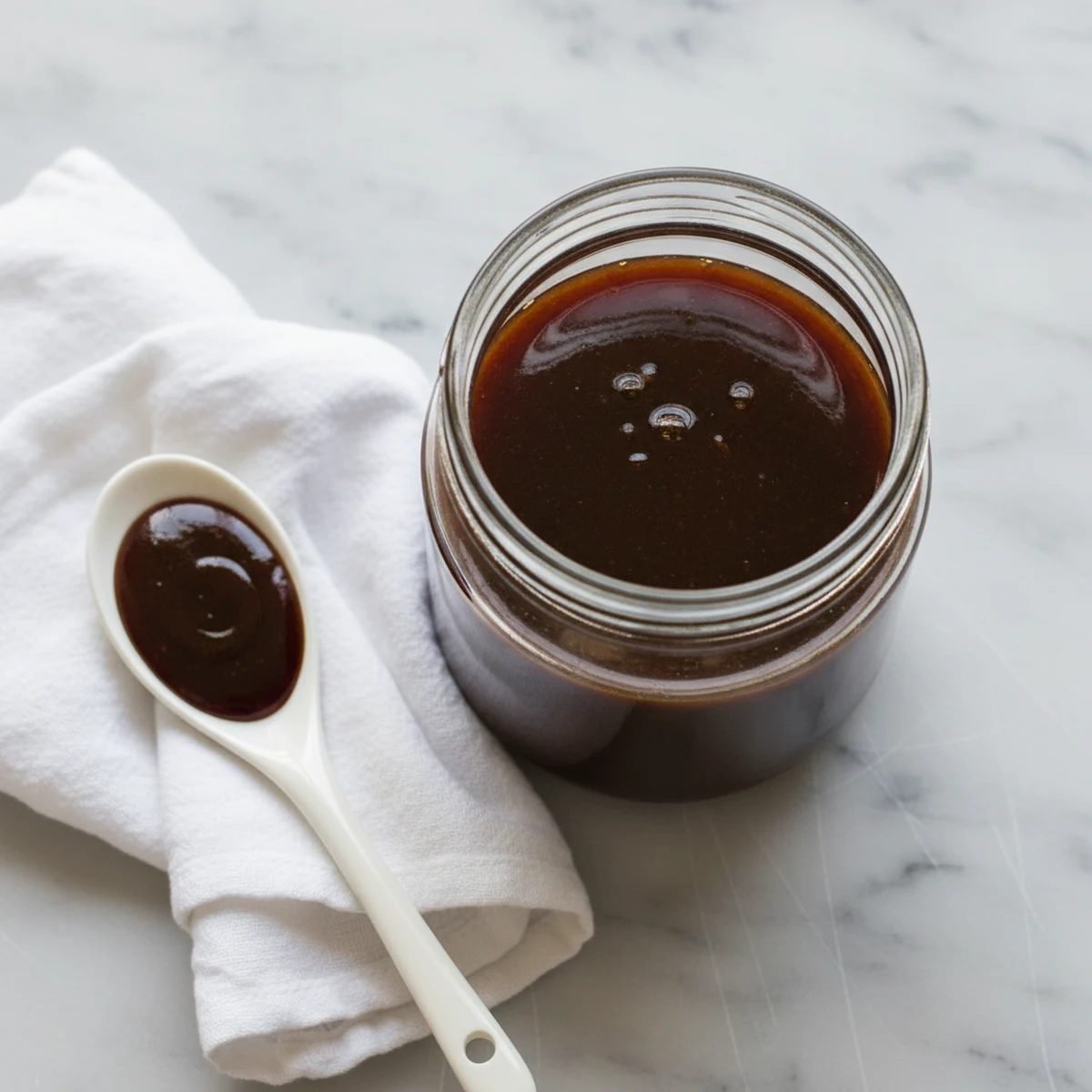
Store your homemade sauce in a glass jar or airtight container in the refrigerator for up to two weeks. The ingredients will naturally separate a bit as they sit, so give the jar a good shake before drizzling it into your hot pan.
You can also freeze this sauce in ice cube trays. Once frozen solid, pop the cubes out and store them in a freezer bag for up to three months. Drop a cube or two directly into a hot skillet with your vegetables for an instant flavor boost.
Homemade Yakisoba Sauce
Ingredients
Equipment
Method
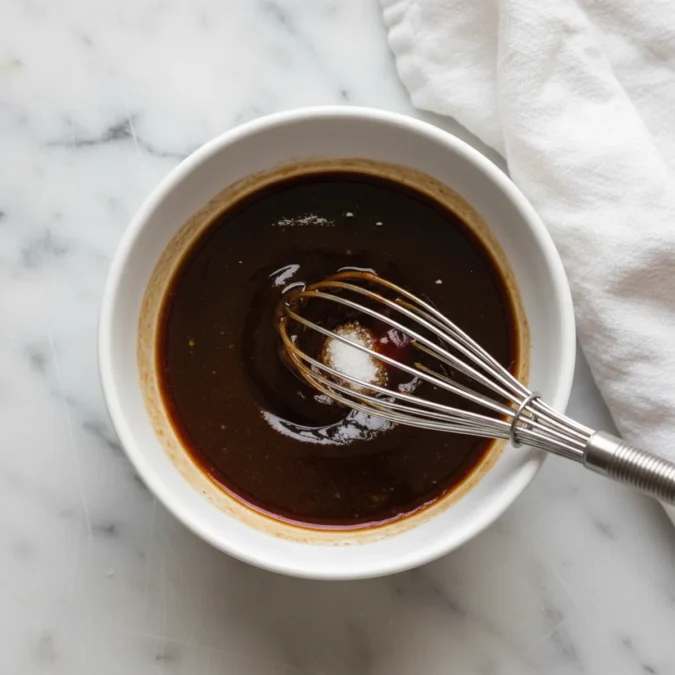
- In a small bowl, combine the Worcestershire sauce, soy sauce, oyster sauce, ketchup, and sugar.
- Whisk vigorously until the sugar is completely dissolved.
- Stir in the sesame oil, ground ginger, and black pepper.
- Use immediately in your favorite stir-fry, or store in an airtight container.
Notes
Frequently Asked Questions
Can I make this without oyster sauce?
Yes, though oyster sauce adds a lot of the rich, thick umami flavor. If you omit it, add an extra tablespoon of soy sauce and a half teaspoon of molasses or hoisin sauce to help replicate the thickness and depth.
Is yakisoba sauce the same as teriyaki sauce?
No, they are quite different. Teriyaki is primarily soy sauce, mirin, and sake with a sweeter profile. Yakisoba sauce is thicker, tangier, and heavily relies on Worcestershire or tonkatsu sauce for its distinct fruity-tangy bite.
What's the best way to use this sauce in a stir-fry?
Add it at the very end of cooking. Once your noodles, vegetables, and protein are cooked and hot, pour the sauce over the top and toss continuously for 30-60 seconds. This prevents the sauce from burning and ensures it coats everything evenly.
Can I double or triple this recipe?
Absolutely. This recipe scales up perfectly. If you make a large batch, keep it in a squeeze bottle in the fridge for easy dispensing over noodles, rice bowls, or grilled meats.
Leave a Reply