
This fajita sauce recipe gives you that smoky, tangy, lime-kissed flavor you usually only get at your favorite Mexican spot — and it takes about five minutes to throw together.
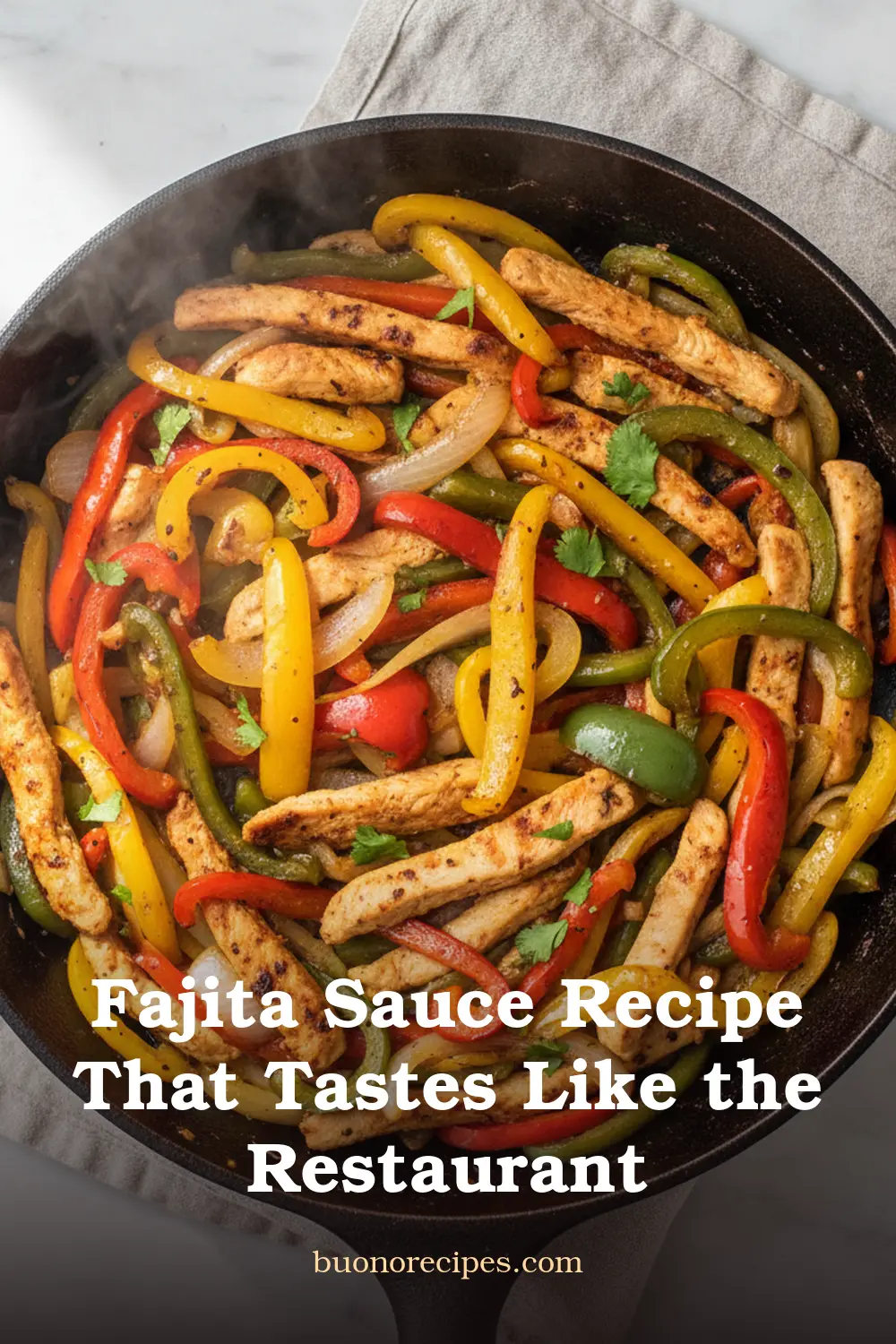
I started making my own because the store-bought packets always tasted flat and weirdly sweet. Once you whisk together a few pantry staples with fresh lime and spices, you realize how much better (and cheaper) the homemade version is.
Use it as a marinade for chicken, steak, or shrimp, or toss it straight into a hot skillet with peppers and onions for a quick weeknight fajita situation.
What Is Fajita Sauce?
Fajita sauce is the marinade-and-cooking sauce that gives fajitas their signature smoky, citrusy, slightly spicy kick. It’s a blend of oil, lime juice, garlic, chili powder, cumin, and a few other seasonings that coat the meat and veggies as they cook.
The best part is that it pulls double duty: it tenderizes and flavors the protein while also seasoning the peppers and onions. That’s why a good fajita sauce recipe is the backbone of the whole dish — without it, you’re just eating seasoned meat in a tortilla.
Restaurant fajitas get their depth from a long marinade and a screaming-hot cast iron skillet. This homemade version captures that same flavor without needing to plan ahead for hours.
Why This Fajita Sauce Recipe Works
The trick is balancing acid, oil, and spice so the sauce penetrates the meat without turning it mushy. Lime juice provides brightness and tenderizing power, while the oil carries the fat-soluble spices deep into the fibers.
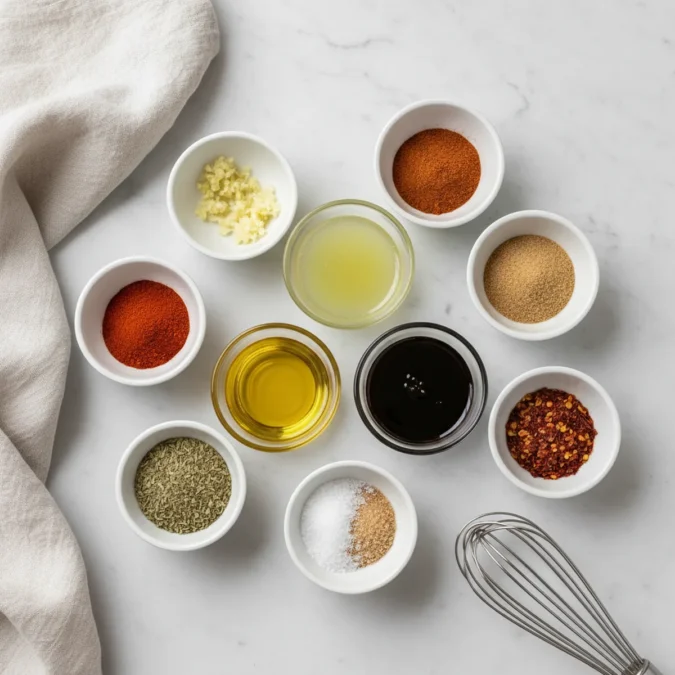
I learned the hard way that too much acid makes chicken texture weird and stringy — 30 to 45 minutes is the sweet spot for poultry, and you can go up to a few hours for steak. The Worcestershire sauce adds umami depth that chili powder alone can’t deliver, and a touch of smoked paprika gives you that grill-char flavor even on a stovetop.
This recipe also makes enough to marinate your protein and still have leftover sauce to deglaze the pan and coat the veggies. That’s the restaurant move right there.
Ingredient Notes
Use fresh lime juice, not bottled — the difference is night and day. One medium lime yields about two tablespoons, which is exactly what you need here.
Regular olive oil or avocado oil both work great. Avocado oil has a higher smoke point, so it’s my pick if you’re searing in a cast iron skillet at high heat.
Chili powder in the US is a blend, not pure ground chile, so it already contains cumin and oregano. If you’re using pure ground ancho or guajillo, bump the cumin up to a full teaspoon. Smoked paprika is non-negotiable for me — it’s what gives the sauce that smoky edge.
Ingredient Swaps & Dietary Options
Gluten-free: This recipe is naturally gluten-free as written. Just double-check your Worcestershire sauce label, since some brands contain malt vinegar.
Vegan: Swap the Worcestershire for coconut aminos or a vegan Worcestershire alternative. Use the sauce to marinate tofu, portobello mushrooms, or jackfruit instead of meat.
Keto-friendly: This sauce is already low-carb. Skip any added sugar (there isn’t much here to begin with) and serve with low-carb tortillas or over cauliflower rice.
No Worcestershire? Use soy sauce or tamari with a tiny splash of molasses. It won’t be identical, but it hits the same savory-sweet note.
Tips for the Best Fajita Sauce
Whisk the sauce in a measuring cup or jar so you can pour it directly over the meat without dirtying extra dishes. A mason jar with a lid works great — shake it up and store leftovers in the fridge.
Don’t marinate chicken longer than 45 minutes or the acid starts breaking down the texture. Steak can handle 2 to 4 hours, and shrimp only needs 15 to 20 minutes.
When cooking, reserve a couple tablespoons of the sauce before adding the meat. Toss it into the skillet with your peppers and onions near the end so everything gets coated and glossy.
Serving Ideas & Storage
This sauce is built for sizzling skillet fajitas — chicken, steak, or shrimp with charred bell peppers and onions, served with warm tortillas and your favorite toppings. Pico de gallo, sour cream, guacamole, and shredded cheese all belong on the table.
You can also use it as a marinade for grilled chicken thighs, a sauce for fajita bowls over rice, or a quick flavor boost for sheet pan chicken and veggies.
Store leftover sauce in an airtight jar in the fridge for up to 5 days. The garlic flavor will intensify over time, so taste before using. You can freeze it in ice cube trays and pop a cube or two into a hot skillet whenever fajita cravings hit.
Homemade Fajita Sauce
Ingredients
Equipment
Method
- In a small bowl or mason jar, combine the olive oil, lime juice, Worcestershire sauce, and minced garlic.
- Add the chili powder, cumin, smoked paprika, oregano, salt, black pepper, brown sugar, and red pepper flakes.
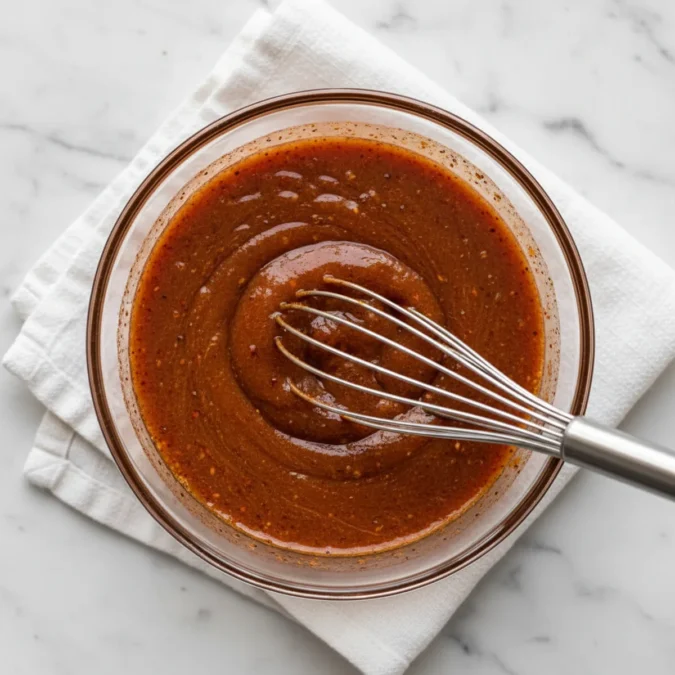
- Whisk or shake vigorously until the sauce is fully combined and no spice clumps remain.
- Pour over 1 to 1.5 lbs of sliced chicken, steak, or shrimp and toss to coat. Marinate chicken 30 to 45 minutes, steak 2 to 4 hours, or shrimp 15 to 20 minutes.
- Reserve 2 tablespoons of sauce before marinating if you want to toss it with peppers and onions during cooking.
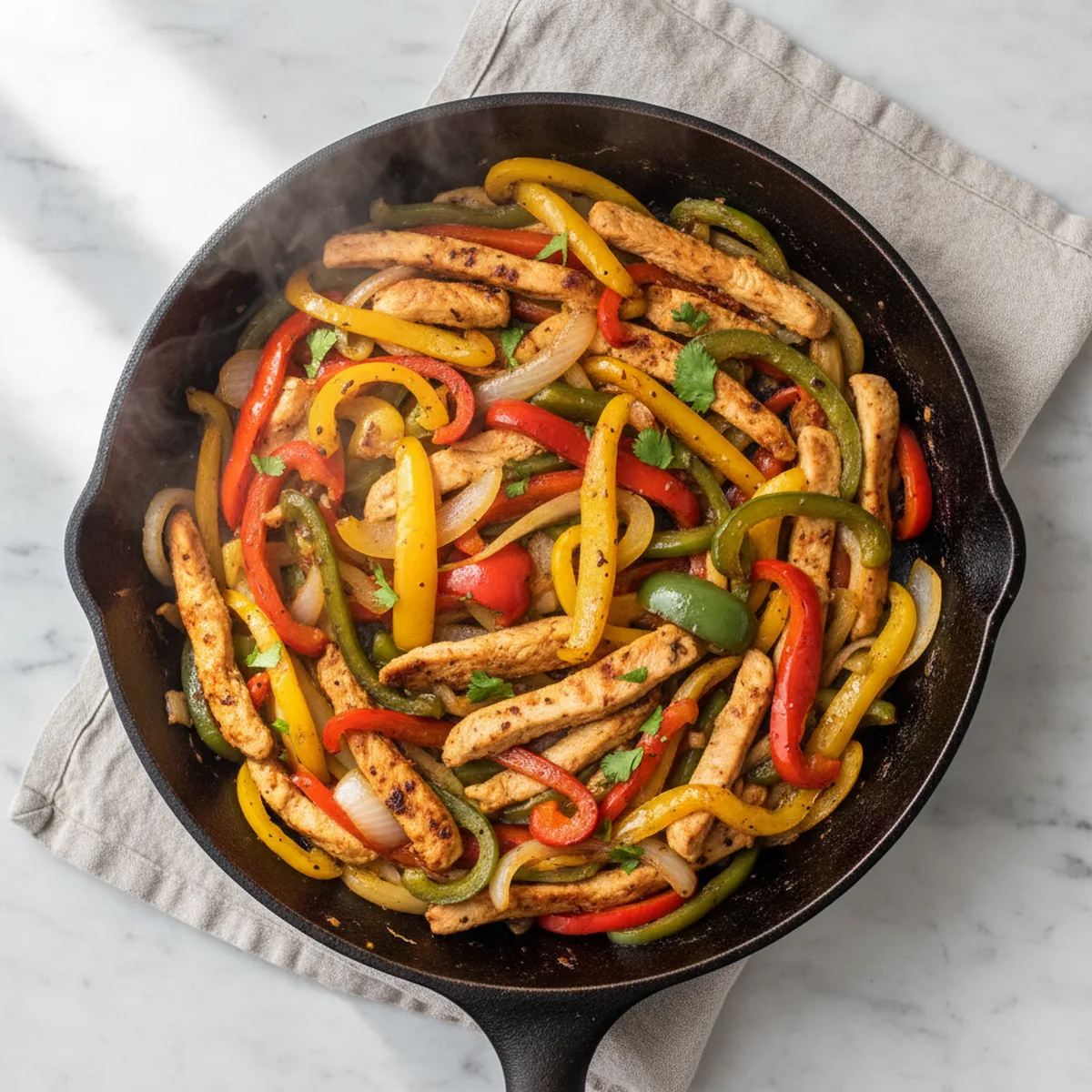
- Heat a cast iron skillet over high heat until smoking. Add the marinated protein and cook until browned and cooked through, tossing occasionally.
- Add sliced bell peppers and onions to the skillet, toss with reserved sauce, and cook until charred and tender-crisp, about 5 minutes.
- Serve immediately with warm tortillas and your favorite fajita toppings.
Notes
Frequently Asked Questions
Can I make fajita sauce ahead of time?
Yes — mix it up to 5 days in advance and keep it in a sealed jar in the fridge. The flavors actually meld and get better after a day. Just give it a good shake before using.
How long should I marinate the meat?
Chicken: 30 to 45 minutes max, or the lime juice makes the texture stringy. Steak can go 2 to 4 hours, and shrimp only needs 15 to 20 minutes. Anything longer on shrimp and it gets rubbery.
Can I use this as a dry fajita seasoning instead?
You can, but you’d lose the tenderizing power of the lime and oil. If you want a dry rub, just use the spice portion (chili powder, cumin, smoked paprika, oregano, salt, pepper) and skip the wet ingredients. But the sauce version gives you way more flavor.
Is fajita sauce spicy?
As written, it’s mild to medium — the heat comes mostly from the chili powder. If you want it spicier, add the red pepper flakes or a dash of cayenne. For a kid-friendly version, skip the flakes entirely.
Can I freeze leftover fajita sauce?
Absolutely. Pour it into ice cube trays, freeze until solid, then transfer the cubes to a freezer bag. They’ll keep for about 3 months. Pop a couple cubes into a hot skillet whenever you need a quick flavor boost.
Leave a Reply